
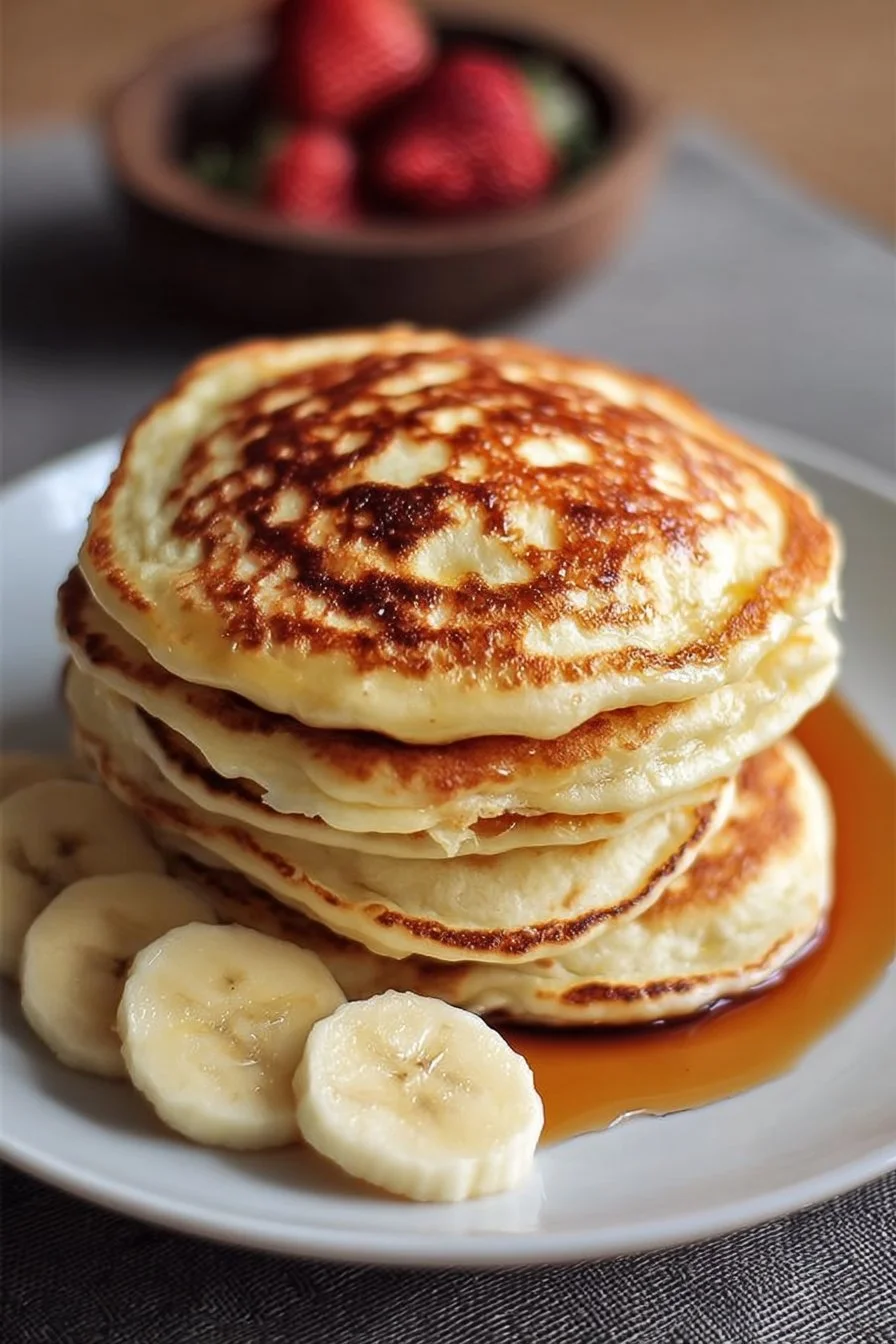
Warm, golden, and tender with a slightly nutty oat flavor and a hint of vanilla, these High-Protein Pancakes are everything you want on a busy morning: satisfying, quick, and surprisingly fluffy given how few ingredients they use. The cottage cheese and eggs create a pillowy texture with a gentle tang, while the rolled oats keep the crumb hearty and substantial. They cook up on a skillet in minutes and are forgiving—perfect for meal-prep breakfasts or a lazy weekend brunch. Serve them stacked with fresh fruit, a dollop of yogurt, or a drizzle of syrup for a comforting, protein-packed start to the day. If you like other high-protein variations, you might also enjoy fluffy options like fluffy Greek yogurt pancakes for a slightly different tang and texture.
Why You’ll Love This High-Protein Pancakes
- High in protein without using protein powder—eggs and cottage cheese do the heavy lifting.
- Simple pantry-friendly ingredients you probably already have.
- Quick blender batter: minimal hands-on mixing and very little cleanup.
- Tender, slightly chewy texture from oats with a light, cakey interior.
- Versatile: serves as a filling breakfast, post-workout meal, or casual brunch dish.
- Easy to scale up or down for singles or a family breakfast.
- Kid-friendly flavor (vanilla and mild cottage cheese) that pairs with both sweet and savory toppings.
- Gluten-free-friendly if you use certified gluten-free oats.
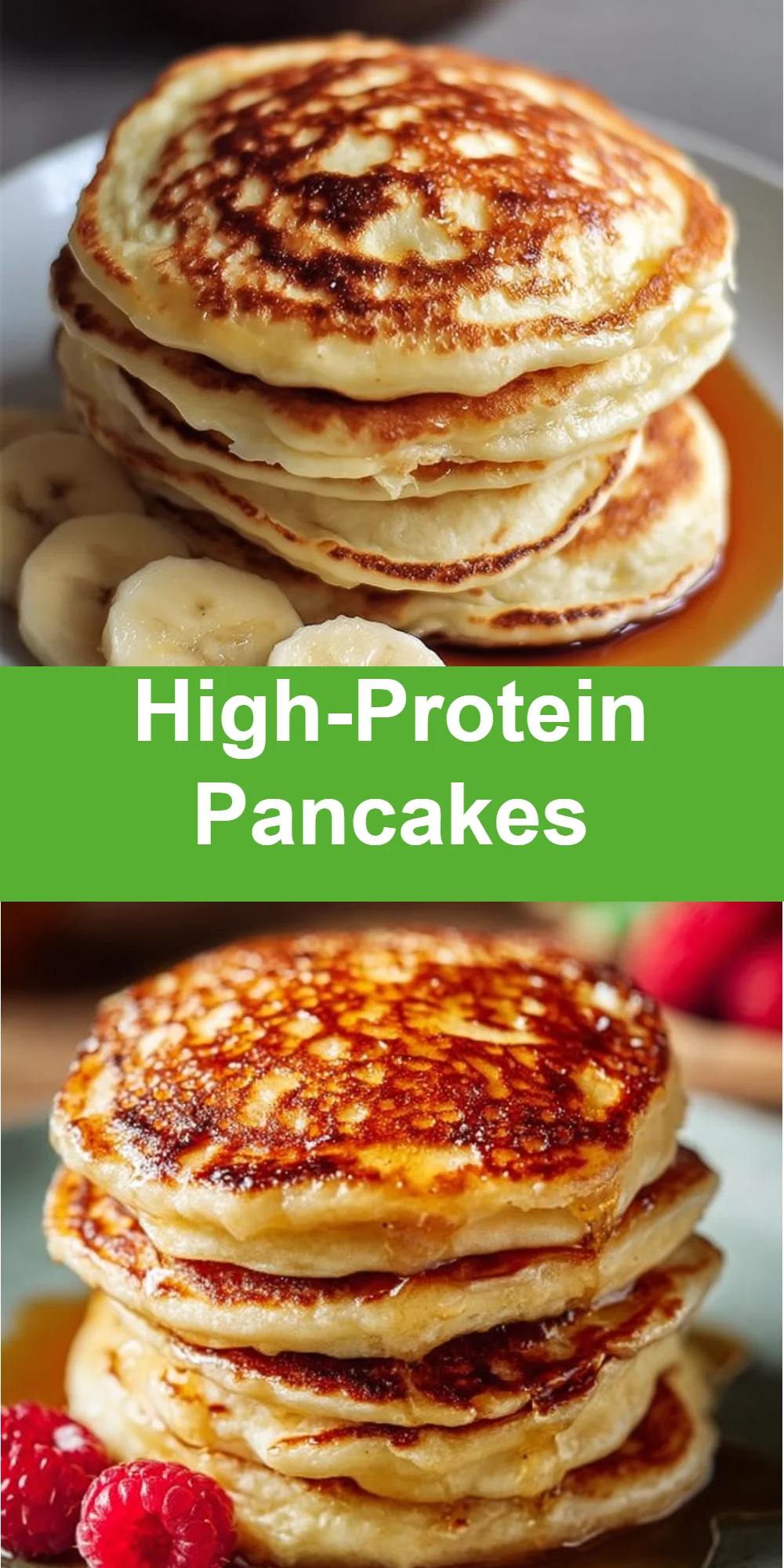
What Is High-Protein Pancakes?
This recipe is a blender-style pancake made from rolled oats, cottage cheese, and eggs. The ingredients are combined and pureed into a smooth batter, then cooked on a preheated non-stick skillet. The result is pancakes that are denser and more protein-forward than classic all-flour pancakes, yet soft and slightly springy from the eggs and cottage cheese.
Taste: mild, slightly sweet from the vanilla, with a warm oat nuttiness and a gentle tang from the cottage cheese.
Cooking method: blended batter, skillet griddle cooking (medium heat), quick flip-cook technique.
Typical occasions: weekday breakfasts, quick post-workout refuel, a healthier brunch option, or an anytime protein-rich snack.
Overall vibe: wholesome comfort food—approachable, satisfying, and pragmatic while still feeling a little special.
Ingredients for High-Protein Pancakes
For the Base
- 1 cup rolled oats
- 1/2 cup cottage cheese
- 4 large eggs
- 1/2 teaspoon baking powder
- 1 teaspoon vanilla extract
- Pinch of salt
For Cooking
- Cooking spray or oil for the pan
For Serving (suggestions)
- Fruit, syrup, or yogurt (optional; not included in base recipe)
Ingredient Notes (Substitutions, Healthy Swaps)
- Oats: Use certified gluten-free rolled oats if you need the recipe to be gluten-free. Quick oats will work in a pinch but will produce a slightly softer texture.
- Cottage cheese: For a smoother, milder result, try a small-curd cottage cheese. If you need a dairy-free substitute, see optional variations below—note that swapping the cottage cheese will change texture and flavor.
- Eggs: Provide structure and lift. If you’re allergic to eggs, the texture will change significantly; consider the optional egg-free variation.
- Baking powder: Keeps the pancakes light—do not omit unless you’re prepared for denser results.
- Vanilla extract: Adds sweetness without sugar. You can omit if you prefer a more neutral base.
- Salt: Enhances flavor; use a pinch to keep the batter balanced.
- Cooking oil/spray: Use a neutral oil (canola, avocado) or butter for flavor. Use sparingly to prevent greasy pancakes.
For more ideas to expand a protein-first breakfast rotation, check out this collection of high-protein recipe ideas that complement these pancakes.
Step-by-Step Instructions
- Step 1 – Blend the Batter
Combine rolled oats, cottage cheese, eggs, baking powder, vanilla extract, and a pinch of salt in a blender. Blend until smooth.
Visual cue: The batter should be pourable and smooth, with no visible oat flakes—thick but flowing. - Step 2 – Preheat the Pan
Preheat a non-stick skillet over medium heat and lightly grease with cooking spray or oil.
Pro cue: A medium setting prevents the outside from browning too fast while the inside finishes cooking. - Step 3 – Portion the Pancakes
Pour batter onto the skillet in your desired pancake size. Aim for about 1/4 to 1/3 cup batter per pancake for even cooking.
Visual cue: Pancakes will spread slightly but keep a round shape; edges should look matte rather than glossy. - Step 4 – Cook and Flip
Cook for 2–3 minutes until bubbles form on the surface, then flip and cook for another 2–3 minutes until golden brown.
Pro cue: Wait for many small bubbles and slightly set edges before flipping to avoid a soggy center. - Step 5 – Serve Warm
Serve warm with your choice of toppings such as fruit, syrup, or yogurt.
Visual cue: The finished pancake should be lightly golden on both sides and hold together when lifted with a spatula.
Pro Tips for Success
- Use a high-powered blender or let the oats soak for a few minutes in the cottage cheese and eggs before blending if your blender is lower-powered.
- Keep the skillet at true medium. Too hot and the exterior will char before the center cooks; too low and pancakes won’t develop golden color.
- Grease the pan lightly between batches to prevent sticking, but avoid saturating the pan—excess oil leads to greasy pancakes.
- If the batter is too thick to pour, let it sit for 1–2 minutes—the oats will absorb liquid and loosen slightly. Conversely, if it’s too thin, add a tablespoon or two of oats and blend again.
- Cook pancakes in a single layer without crowding the pan to maintain consistent temperature.
- To test doneness, press the center lightly with a spatula; it should spring back and not feel jiggly.
- Reheat gently in a skillet or toaster oven for best texture; microwaving can make them rubbery.
Flavor Variations (Optional)
- Blueberry-Lemon (optional): Fold fresh or frozen blueberries into the batter after blending; zest a little lemon into the batter for brightness.
- Cinnamon-Apple (optional): Add 1/2 teaspoon ground cinnamon to the batter and top with warm sautéed apples.
- Chocolate Peanut Butter (optional): Stir a tablespoon of cocoa powder into the blender and serve with a light smear of peanut butter.
- Savory Herb (optional): Omit vanilla and add chopped chives or herbs, then top with a dollop of plain yogurt for a savory twist.
- Egg-Free (optional): Replace the eggs with a commercial egg replacer (per package directions) and a tablespoon of flaxseed mixed with 3 tablespoons water per egg—note: texture will differ from the original.
- Dairy-Free (optional): Swap cottage cheese for silken tofu for a similar texture; add a splash of plant milk if the batter feels too thick.
(Each variation is optional and modifies the base recipe; they are listed as add-ons and not required for the original method.)
Serving Suggestions
- Classic stack: Stack 3–4 pancakes, drizzle with maple syrup, and add sliced bananas or berries.
- Yogurt parfait plate: Serve pancakes with a side of Greek yogurt, honey, and mixed berries.
- Savory brunch board: Offer pancakes alongside sliced smoked salmon or avocado for a protein-rich savory spread (pancake remains the same; pairings optional).
- Lunch-for-breakfast: Top with cottage cheese and fresh herbs for a savory meal.
- Kid-friendly: Add a small drizzle of chocolate syrup and a handful of berries.
- Post-workout plate: Pair with a hard-boiled egg and fruit for extra protein and carbs balance.
- Picnic stack: Pack pancakes with a jar of yogurt or nut butter for an on-the-go breakfast.
Make-Ahead, Storage & Reheating
- Make-ahead: You can blend the batter and refrigerate it in an airtight container for up to 24 hours. Give it a quick stir before cooking.
- Refrigerator storage: Cooked pancakes keep well in the fridge for 3–4 days in an airtight container.
- Reheating:
- Skillet: Warm gently over low-medium heat for best texture—about 1 minute per side.
- Toaster oven: Reheat at 350°F (175°C) for 5–8 minutes until warmed through.
- Microwave: Use brief bursts of 20–30 seconds; pancakes will be softer and slightly chewier.
- Texture changes: Refrigeration firms the pancakes; gentle reheating restores tenderness but avoid overheating to prevent rubberiness.
Storage and Freezing Instructions
- Freezing: Yes—these pancakes freeze very well. Cool completely, then layer between sheets of parchment paper and store in a freezer-safe bag or container for up to 2 months.
- To reheat from frozen: Toast straight from the freezer in a toaster oven or oven at 350°F (175°C) for 8–10 minutes, flipping halfway, until heated through. Microwaving from frozen works but yields a softer texture.
- If freezing is not preferred: prepare the batter ahead and cook on the morning you plan to eat for the freshest texture.
Nutrition Facts (Per Serving)
| Calories | Protein | Carbs | Fat | Fiber | Sodium |
|———|——–|——|—–|——|——-|
| 380 kcal | 24 g | 31 g | 17 g | 4 g | 420 mg |
Nutrition values are estimates and may vary depending on ingredients and portion sizes.
FAQ About High-Protein Pancakes
- How thick should the batter be?
- Aim for a thick but pourable batter. It should flow slowly off a spoon; not runny, not doughy. If too thick, let it rest a minute or add a splash of water/milk if you choose (optional).
- Why are my pancakes gummy inside?
- Common causes: pan temperature too low or pancakes flipped too soon. Increase heat slightly and wait for bubbles and set edges before flipping.
- Can I make the batter ahead of time?
- Yes—blend and refrigerate for up to 24 hours. Give it a stir before using; oats may absorb liquid and thicken slightly.
- How do I know when they’re done?
- Look for many small bubbles on the surface and slightly set edges. The center should spring back when pressed gently.
- Can I freeze leftover pancakes?
- Yes. Cool fully, layer with parchment, freeze in an airtight bag for up to 2 months. Reheat in oven/toaster oven for best texture.
- Will these work as waffles?
- Technically yes—the batter is adaptable. Use a preheated waffle iron and cook until golden and crisp, adjusting cook time to your waffle maker.
Notes
- Plate presentation: Stack uniformly sized pancakes for a classic diner look; dust with powdered sugar or a light syrup ribbon.
- Flavor upgrades: A small sprinkle of flaky sea salt on top of sweet toppings enhances contrast and depth.
- Texture tweak: For a slightly lighter pancake, separate the eggs, whip the whites to soft peaks, then fold them into the blended batter (optional—this changes the method).
- Portioning tip: Use a 1/4-cup measuring cup for consistent, even pancakes that cook at the same rate.
- Serving temperature: Serve immediately for the best mouthfeel; reheat gently if preparing ahead.
- Small-batch tip: If you’re making just 1–2 pancakes, portion the batter sparingly and keep the rest refrigerated for later cooking that day.
Enjoy these High-Protein Pancakes as an easy, nourishing staple that’s just as happy in a rushed weekday routine as it is on a relaxed weekend morning.
PrintHigh-Protein Pancakes
Delicious and fluffy high-protein pancakes made with rolled oats, cottage cheese, and eggs, perfect for busy mornings or meal prep.
- Prep Time: 5 minutes
- Cook Time: 10 minutes
- Total Time: 15 minutes
- Yield: 4 servings
- Category: Breakfast
- Method: Skillet
- Cuisine: American
- Diet: Gluten-Free, High Protein
Ingredients
- 1 cup rolled oats
- 1/2 cup cottage cheese
- 4 large eggs
- 1/2 teaspoon baking powder
- 1 teaspoon vanilla extract
- Pinch of salt
- Cooking spray or oil for the pan
Instructions
- Blend the rolled oats, cottage cheese, eggs, baking powder, vanilla extract, and salt in a blender until smooth.
- Preheat a non-stick skillet over medium heat and grease lightly with cooking spray or oil.
- Pour batter onto the skillet, aiming for 1/4 to 1/3 cup per pancake.
- Cook for 2–3 minutes until bubbles form, then flip and cook for another 2–3 minutes until golden brown.
- Serve warm with toppings like fruit, syrup, or yogurt.
Notes
Use certified gluten-free oats for a gluten-free option. Store leftover pancakes in the fridge for 3–4 days or freeze for up to 2 months.