
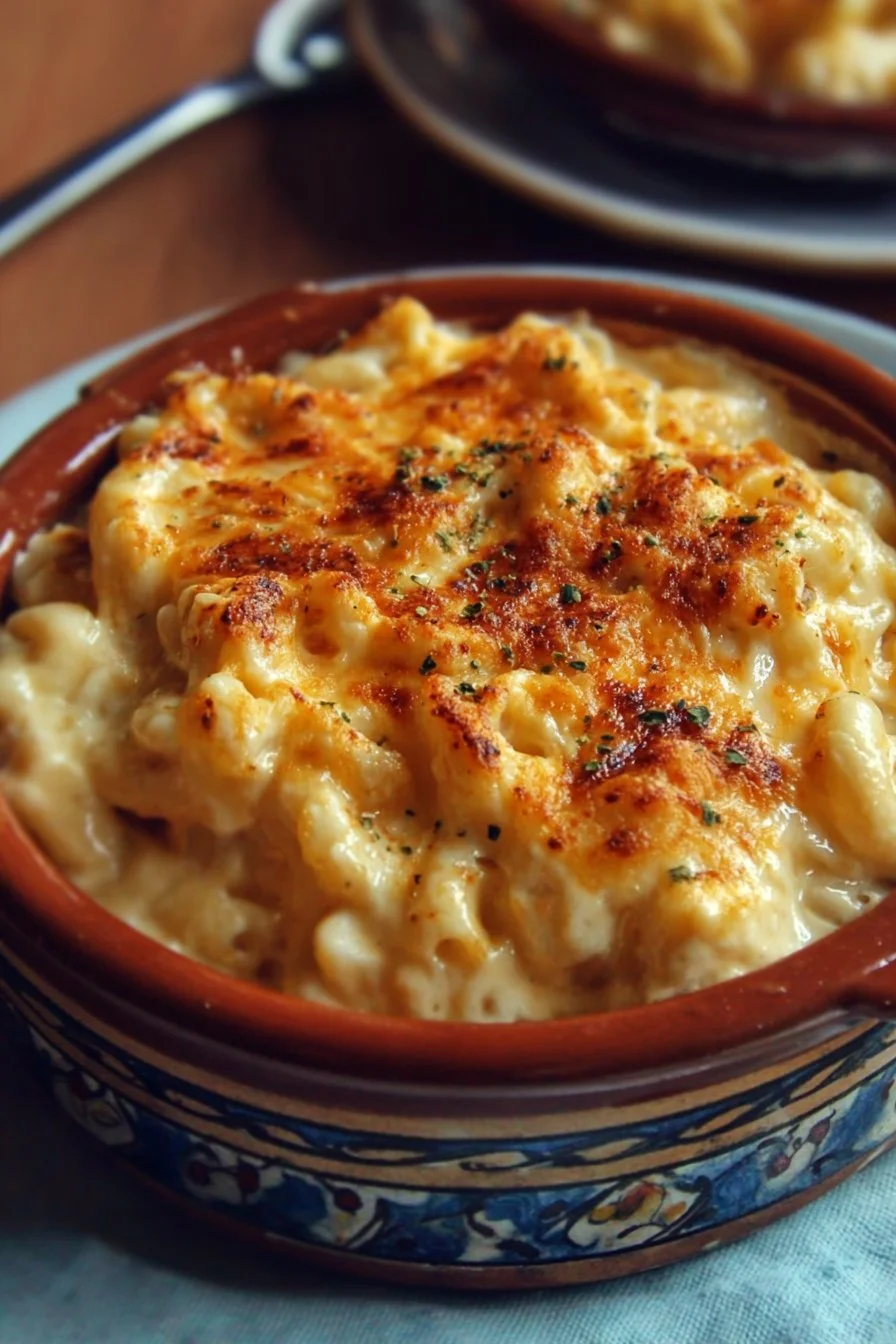
This High Protein Cottage Cheese Mac and Cheese is creamy, tangy, and seriously comforting — all while sneaking in extra protein thanks to cottage cheese. The sauce is velvety from a simple melt of cheddar and cottage cheese with a splash of milk, finished with a sprinkle of Parmesan for a salty, nutty hit. Texture is everything here: tender elbow macaroni coated in a silky, slightly tangy cheese sauce that clings to every bite. It’s an easy, one-pot weeknight winner that comes together quickly and keeps well for lunches. If you love a classic mac but want a protein boost without losing comfort, this is your new go-to; for another take on high-protein mac recipes, see this high-protein cottage cheese mac and cheese for inspiration.
Why You’ll Love This High Protein Cottage Cheese Mac and Cheese
- Comforting and familiar: it tastes like classic mac and cheese but with a fresh, slightly tangy twist from cottage cheese.
- High in protein: cottage cheese plus cheddar boosts protein without relying on meat.
- Quick and simple: ready in about the time it takes to cook pasta — minimal hands-on time.
- Budget-friendly: uses pantry staples you probably already have.
- Versatile for meals: hearty enough for dinner, easy for lunches, and kid-friendly.
- Easy to tweak: keep it as written or adjust with swaps in the Ingredient Notes.
- Keeps well: reheats nicely for meal prep without falling apart.
What Is High Protein Cottage Cheese Mac and Cheese?
This dish is a stove-top macaroni tossed in a smooth cheese sauce made from cottage cheese, shredded cheddar, milk, and a touch of Parmesan. Flavor-wise it’s creamy and cheesy with a subtle tang from the cottage cheese and a savory parmesan finish. The cooking method is straightforward — cook the pasta al dente, mix the dairy together over medium heat until smooth, then fold in the pasta. It’s typically served hot as a cozy weeknight dinner, a satisfying side at gatherings, or a comforting lunch. Overall vibe: familiar comfort food, upgraded for extra protein and everyday simplicity.
Ingredients for High Protein Cottage Cheese Mac and Cheese
For the Base
- 8 ounces elbow macaroni (about 225 g)
For the Sauce
- 1 cup cottage cheese (about 225 g)
- 1 cup shredded cheddar cheese (about 4 ounces / 113 g)
- 1/2 cup milk (120 ml)
- 1/4 cup grated Parmesan cheese (about 22 g)
- 1 teaspoon garlic powder
- 1 teaspoon onion powder
- Salt and pepper to taste
For Serving
- Fresh parsley for garnish (optional)
Ingredient Notes (Substitutions, Healthy Swaps)
- Cottage cheese: If you want fewer calories, use low-fat cottage cheese; if you prefer creamier, use full-fat. Note texture will vary slightly with fat content.
- Cheddar: Any sharp or mild cheddar works. For a milder flavor, use mild cheddar; to deepen the flavor, use sharp cheddar.
- Milk: Swap with lower-fat milk if desired. Plant-based milks can work (unsweetened soy or oat), but they may slightly thin the sauce and alter flavor.
- Parmesan: If you don’t have Parmesan, any hard, aged cheese with a salty profile will work as a finishing touch; omit if necessary but expect a less nutty finish.
- Gluten-free: Use a gluten-free elbow pasta in place of regular macaroni.
- Sodium: If watching sodium, choose low-sodium cottage cheese and reduce or omit added salt; Parmesan and cheddar contribute the most sodium.
- Note on swaps: The core identity relies on cottage cheese + cheddar + pasta; keep those elements for the same texture and protein profile.
Step-by-Step Instructions
Step 1 – Cook the macaroni
- Cook the macaroni according to package instructions until al dente. Drain and set aside.
Visual cue: The pasta should be tender but still slightly firm in the center when you bite it — not mushy.
Step 2 – Combine the sauce ingredients
2. In a large pot over medium heat, combine the cottage cheese, shredded cheddar, milk, garlic powder, onion powder, salt, and pepper.
Visual cue: The mixture will look slightly grainy at first as the cottage cheese warms.
Step 3 – Melt and smooth
3. Stir continuously until the cheese melts and the mixture is smooth.
Pro cue: Use medium heat and steady stirring to prevent scorching. A silicone spatula works well to scrape the bottom and keep the sauce uniform.
Step 4 – Add the pasta
4. Add the cooked macaroni to the cheese sauce and mix well.
Visual cue: The pasta should be fully coated in a glossy, even sauce with no clumps.
Step 5 – Serve
5. Serve warm, garnished with Parmesan cheese and fresh parsley if desired.
Pro cue: Taste and adjust seasoning right before serving — small pinches of salt and fresh ground pepper make a big difference.
Pro Tips for Success
- Heat control: Keep the heat at medium. Too hot and the dairy can separate or burn; too low and the cheddar might not melt evenly.
- Stir constantly when melting: This prevents the cottage cheese curds from clumping and helps the cheddar integrate smoothly.
- Drain pasta well: Too much leftover water will thin the sauce; make sure pasta is well-drained but don’t rinse.
- Texture check: If the sauce seems slightly grainy from the cottage cheese, whisk vigorously or use an immersion blender for a few seconds to smooth it.
- Season gradually: Because cottage cheese, cheddar, and Parmesan vary in saltiness, add salt slowly and taste as you go.
- Use freshly shredded cheddar if possible: Pre-shredded cheese often contains anti-caking agents that can affect melting.
- Serving timing: Serve immediately for the creamiest texture — the sauce will thicken as it cools.
Flavor Variations (OPTIONAL)
- Extra cheesy (OPTIONAL): Stir an extra 1/4 cup cheddar into the sauce at the end for a richer bite.
- Tang-forward (OPTIONAL): Add a little more Parmesan on top at serving to enhance the salty, nutty notes.
- Herb-forward (OPTIONAL): Fold in chopped fresh parsley into the cooked mac for a green, fresh flavor (use only what’s listed in the recipe for garnish if you want to stay strict).
- Lighter version (OPTIONAL): Use low-fat cottage cheese and skim milk for a leaner mac while keeping the base intact.
- Peppery kick (OPTIONAL): Increase freshly cracked black pepper in the sauce for a more pronounced spice without adding new ingredients.
- Double Parmesan (OPTIONAL): Mix half the Parmesan into the sauce and reserve the rest to sprinkle on top for presentation and a strong finish.
Serving Suggestions
- Weeknight dinner: Serve with a simple green salad to lighten the plate.
- Family meal: Portion into bowls and let everyone add parsley or extra Parmesan.
- Kid-friendly: Pair with steamed vegetables or fruit on the side for balance.
- Comfort spread: Serve alongside roasted or steamed vegetables for a fuller meal.
- Casual entertaining: Plate in a shallow dish and set Parmesan and pepper on the table for guests to adjust seasoning.
- Meal prep: Divide into airtight containers for lunches — see storage notes below.
Make-Ahead, Storage & Reheating
- Make-ahead: You can cook the pasta a day ahead and store it dry (in the fridge once cooled). The sauce can also be prepared and stored separately; reheat and combine before serving for best texture.
- Refrigerator storage: Store leftover mac and cheese in an airtight container for up to 3–4 days.
- Reheating stovetop: Reheat gently in a saucepan over low heat with a splash of milk to loosen the sauce; stir frequently.
- Reheating microwave: Microwave in 30-second bursts, stirring between intervals, and add a tablespoon of milk if it seems dry.
- Texture changes: After refrigeration, the sauce will thicken and may appear slightly grainy. Adding a little milk and reheating slowly will restore creaminess.
Storage and Freezing Instructions
- Freezing: Because of the dairy base (cottage cheese and cheddar), freezing is not ideal — the texture can become separated or grainy once thawed and reheated.
- If you must freeze: Portion into freezer-safe containers, leaving headroom for expansion, and freeze for up to 2 months. Thaw slowly in the refrigerator overnight and reheat gently with extra milk, whisking or blending briefly to help recombine.
- Alternative: Instead of freezing the finished dish, freeze cooked pasta and a separately frozen cheese blend (not recommended for long-term quality). For best results, freeze only leftovers you’re okay with slightly altered texture.
Nutrition Facts (Per Serving)
| Calories | Protein | Carbs | Fat | Fiber | Sodium |
|———|——–|——|—–|——|——-|
| 420 kcal | 24 g | 46 g | 15 g | 2 g | 520 mg |
Nutrition values are estimates and may vary depending on ingredients and portion sizes.
FAQ About High Protein Cottage Cheese Mac and Cheese
Q: My sauce is grainy — how do I fix it?
A: Whisk vigorously over low heat or use an immersion blender for a few seconds. Adding a splash of milk and stirring helps smooth the texture.
Q: Can I use pre-shredded cheese?
A: You can, but freshly shredded cheddar melts better. Pre-shredded cheese sometimes contains additives that hinder smooth melting.
Q: How do I know the pasta is done?
A: Cook according to package directions until al dente — tender but with slight bite. It will finish cooking a bit when mixed into the warm sauce.
Q: Can I make this dairy-free?
A: The recipe relies on cottage cheese and cheddar, so dairy-free versions would change its identity. If you need dairy-free, consider alternative recipes.
Q: How long will leftovers stay good?
A: Store in the refrigerator for 3–4 days in an airtight container.
Q: Can I add extra protein like chicken or beans?
A: The base recipe uses only the listed ingredients, but you can serve protein on the side. If adding directly, do so after cooking to maintain texture.
Notes
- Plating idea: Finish with a light sprinkle of extra Parmesan and a few parsley leaves for color.
- Flavor upgrade: A final grind of black pepper brightens the rich cheese flavors.
- Seasoning adjustments: Taste before serving and adjust salt and pepper, since cheeses vary in saltiness.
- Presentation tip: Serve in shallow bowls so the sauce is visible and the dish looks inviting.
- Leftovers tip: Add a tablespoon of milk when reheating to restore silky texture if sauce seems tight.
- Recipe scale: Easily double the ingredients and use a larger pot to make enough for meal prep.
For another creamy, high-protein twist on mac and cheese that leans into hearty flavors, try this creative take on a meaty-style mac: high-protein creamy cheesesteak mac and cheese.
PrintHigh Protein Cottage Cheese Mac and Cheese

A creamy and tangy twist on classic mac and cheese that boosts protein with cottage cheese.
- Prep Time: 10 minutes
- Cook Time: 15 minutes
- Total Time: 25 minutes
- Yield: 4 servings
- Category: Main Course
- Method: Stovetop
- Cuisine: American
- Diet: Vegetarian
Ingredients
- 8 ounces elbow macaroni (about 225 g)
- 1 cup cottage cheese (about 225 g)
- 1 cup shredded cheddar cheese (about 4 ounces / 113 g)
- 1/2 cup milk (120 ml)
- 1/4 cup grated Parmesan cheese (about 22 g)
- 1 teaspoon garlic powder
- 1 teaspoon onion powder
- Salt and pepper to taste
- Fresh parsley for garnish (optional)
Instructions
- Cook the macaroni according to package instructions until al dente. Drain and set aside.
- In a large pot over medium heat, combine the cottage cheese, shredded cheddar, milk, garlic powder, onion powder, salt, and pepper.
- Stir continuously until the cheese melts and the mixture is smooth.
- Add the cooked macaroni to the cheese sauce and mix well.
- Serve warm, garnished with Parmesan cheese and fresh parsley if desired.
Notes
Adjust seasoning of salt and pepper before serving for best flavor. For a creamier texture, add more milk during reheating.