
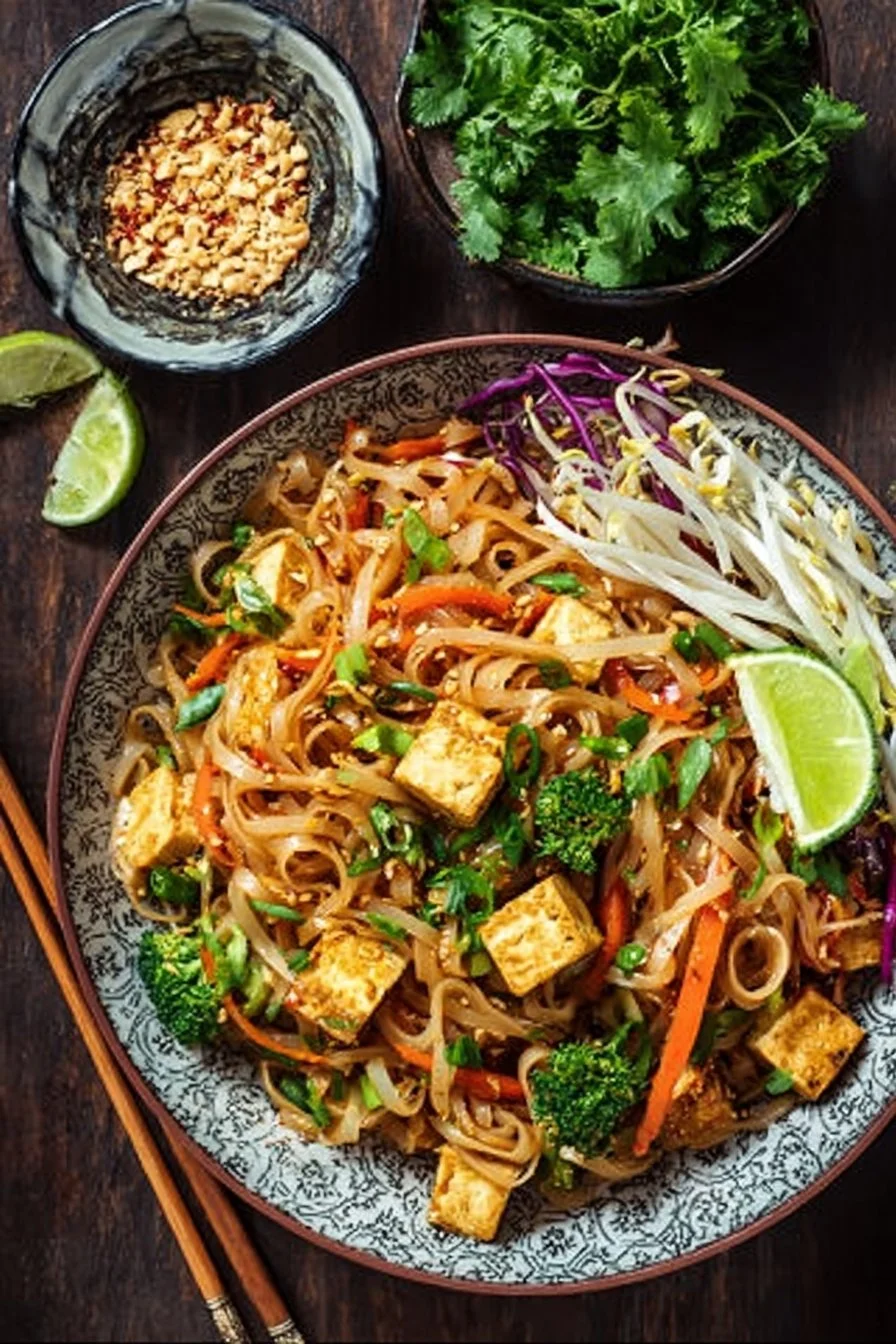
Bright, tangy, and satisfyingly chewy, this High Protein Tofu Pad Thai hits all the marks: crisp-tender veggies, golden-crisp tofu, and a silky peanut-soy sauce that clings to every noodle. The texture contrast between crunchy crushed peanuts and pillowy rice noodles makes every bite interesting, while the lime adds a bright finish that keeps it from feeling heavy. This recipe is straightforward enough for a weeknight, but special enough to serve friends — and it comes together in about 30 minutes once you’ve prepped the tofu and veggies. If you’re building a rotation of muscle-friendly meals, you might enjoy exploring the best 20 high-protein recipe ideas for more inspiration. Serve it with extra lime wedges and a side of steamed greens for a balanced dinner.
Why You’ll Love This High Protein Tofu Pad Thai
- High in plant protein thanks to firm tofu — great for vegetarians and anyone looking to add more protein.
- Balanced flavors: savory soy, nutty peanut butter, sweet brown sugar, and bright lime juice.
- Great texture contrast: crispy tofu, tender rice noodles, and crunchy crushed peanuts.
- Quick to make: mostly stovetop work and one pan for stir-frying keeps cleanup minimal.
- Versatile and family-friendly — the mild peanut-sauce appeals to both kids and adults.
- Easily scaled up for meal prep or doubled for a dinner party.
- Uses simple pantry ingredients you likely already have on hand.
- Comforting yet light enough for weeknight dinners.
What Is High Protein Tofu Pad Thai?
Pad Thai is a classic stir-fried noodle dish that originated in Thailand and is beloved for its harmony of sweet, salty, sour, and nutty flavors. This version swaps in tofu as the main protein, giving you a high-protein, vegetarian-friendly meal with the same satisfying chew and sauce-coated noodles you expect from traditional Pad Thai. The cooking method is a quick stir-fry: noodles are cooked separately, then combined with vegetables and crispy tofu in a hot pan before being tossed with a creamy peanut-soy sauce. People often serve Pad Thai at lunch or dinner — it’s a great weeknight comfort meal that also shines at casual weekend gatherings. The overall vibe is approachable comfort food with a fresh, bright finish.
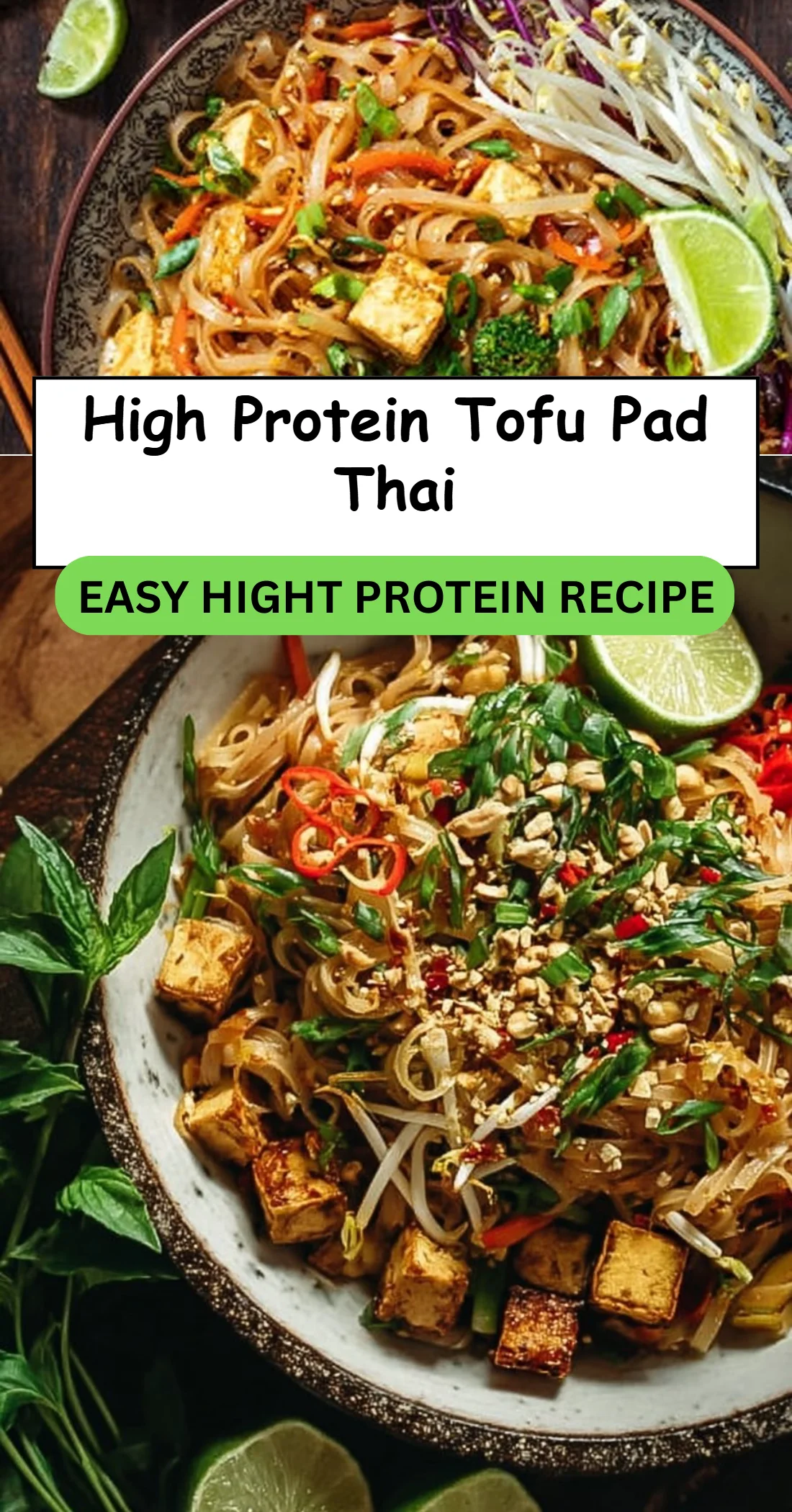
Ingredients for High Protein Tofu Pad Thai
For the Base
- 14 oz tofu, pressed and cubed (about one standard block)
- 8 oz rice noodles (about half a standard package)
For the Stir-Fry
- 2 tablespoons vegetable oil
- 1 cup bell peppers, sliced (about 1 large pepper)
- 1 cup carrots, julienned (about 2 medium carrots)
- 2 green onions, sliced
- 3 cloves garlic, minced
For the Sauce
- 2 tablespoons soy sauce
- 1 tablespoon peanut butter
- 1 tablespoon lime juice
- 1 tablespoon brown sugar
For Serving
- Cilantro and crushed peanuts for garnish
Ingredient Notes (Substitutions, Healthy Swaps)
- Tofu: Use extra-firm tofu for the best texture — it crisps up well and holds its shape. If you’re short on time, use pre-pressed tofu from the store.
- Rice noodles: Any wide or medium rice noodle will work. If you prefer a lower-carb option, shirataki noodles can substitute, but cooking instructions will differ.
- Soy sauce: For a gluten-free version, swap soy sauce with tamari. If you’re watching sodium, look for a low-sodium soy sauce.
- Peanut butter: Use natural or reduced-fat peanut butter if you prefer; almond butter can be used as an optional swap but will change the flavor profile slightly.
- Brown sugar: Honey or maple syrup can be substituted in equal amounts for a different sweetness note.
- Vegetables: The recipe lists peppers and carrots, but you can add shredded cabbage or snap peas as optional additions without changing the core identity.
- Garnish: Crushed peanuts are traditional — for a nut-free alternative, use toasted pumpkin seeds (optional), but keep peanut butter in the sauce only if nuts are acceptable.
Step-by-Step Instructions
Step 1 – Cook the Rice Noodles
- Prepare the rice noodles according to package instructions (usually soaking in hot water or boiling briefly). Drain and set aside.
Visual cue: Noodles should be soft but still slightly firm to the bite (al dente), not mushy.
Step 2 – Crisp the Tofu
2. Heat the vegetable oil in a large pan or wok over medium heat. Add the pressed, cubed tofu and cook until each side is golden and crispy. Remove the tofu from the pan and set aside.
Visual cue: Tofu should be deep golden-brown on most sides.
Pro cue: Pat tofu dry with paper towels before cooking and don’t overcrowd the pan — this ensures maximum browning.
Step 3 – Stir-Fry the Vegetables
3. In the same pan, add the minced garlic, sliced bell peppers, and julienned carrots. Stir-fry for about 5 minutes until the veggies are tender-crisp.
Visual cue: Vegetables will be brightly colored and slightly glossy from the oil.
Pro cue: Keep the pan hot but not smoking to preserve a little crunch in the veggies.
Step 4 – Combine Noodles and Tofu
4. Add the cooked rice noodles and the reserved crispy tofu back into the pan with the vegetables. Toss gently to combine and warm through.
Visual cue: Noodles and tofu should be evenly distributed among the veggies with no dry patches.
Step 5 – Make and Add the Sauce
5. In a small bowl, mix the soy sauce, peanut butter, lime juice, and brown sugar until smooth. Pour the sauce over the noodle mixture and stir until everything is well coated.
Pro cue: If the sauce is too thick, loosen it with a teaspoon or two of warm water until it evenly coats the noodles.
Visual cue: The sauce should create a glossy, slightly creamy sheen on the noodles.
Step 6 – Garnish and Serve
6. Remove from heat and garnish with sliced green onions, chopped cilantro, and crushed peanuts before serving. Serve immediately with lime wedges if desired.
Visual cue: A final sprinkle of peanuts and cilantro adds texture and color contrast.
Pro Tips for Success
- Pre-press your tofu for at least 15–30 minutes to remove excess water; this helps achieve a crisp exterior.
- Use a hot, roomy pan or wok to stir-fry — cramped pans steam the ingredients instead of searing them.
- Cook noodles just to al dente; overcooked rice noodles become gummy when tossed in the sauce.
- Taste and adjust: the sauce should be balanced between salty, sweet, and sour. Add a touch more lime if it feels too sweet.
- Toss gently when combining to avoid breaking the noodles and tofu cubes.
- If your peanut butter is very thick, microwave it for a few seconds to make the sauce smoother.
- Keep garnishes ready: peanuts, cilantro, and green onions should be added right before serving for freshness and crunch.
- For a creamier sauce, increase peanut butter by a half tablespoon, but be mindful this will change the flavor intensity.
Flavor Variations
(OPTIONAL) Try these adjustments while keeping the base recipe intact:
- Spicy Version: Add 1–2 teaspoons of sriracha or a pinch of red pepper flakes to the sauce for heat.
- Tangier Kick: Increase lime juice to 1.5 tablespoons and add a teaspoon of rice vinegar for an extra bright finish.
- Extra Veggies: Fold in 1 cup shredded cabbage or a handful of snap peas during the stir-fry step for more crunch.
- Nut-Free Option: Use sunflower seed butter in place of peanut butter and garnish with toasted pumpkin seeds (still optional if avoiding peanuts).
- Protein Swap (still high protein): Instead of tofu, pan-sear cubed tempeh using the same method, keeping all measurements identical.
Serving Suggestions
- Plate with extra crushed peanuts and lime wedges on the side so guests can customize.
- Pair with a simple cucumber salad for a crisp, cooling contrast.
- Serve as part of a larger Asian-inspired spread with steamed edamame and miso soup.
- For meal prep, divide into airtight containers and add fresh cilantro and peanuts just before eating.
- Garnish with extra green onions and a drizzle of sesame oil for an elevated finish.
- Perfect for casual weeknight dinners, potlucks, or a meatless Monday centerpiece.
Make-Ahead, Storage & Reheating
- Make-ahead: You can prepare the tofu and pre-cut vegetables a day ahead; store separately in the refrigerator. Cook the noodles just before serving to prevent them from sticking.
- Refrigerator storage: Store leftover Pad Thai in an airtight container for up to 3–4 days. Keep garnishes separate to preserve texture.
- Reheating: Reheat gently in a skillet over medium heat with a splash of water or oil to loosen the sauce, stirring until warmed through. Microwaving works too; add a splash of water and cover to keep noodles from drying out.
- Texture changes: Noodles may absorb sauce overnight and soften; reheating with a small splash of water helps revive them.
Storage and Freezing Instructions
- Freezing is not recommended for best texture; rice noodles tend to become mushy after freezing and thawing, and tofu can change texture.
- If you must freeze, separate components: freeze tofu (plain, not sauced) and store noodles/veggies refrigerated for short-term use, or freeze only the sauce in an airtight container for up to 1 month.
- Thaw frozen sauce overnight in the fridge and whisk before adding to freshly prepared noodles and tofu.
Nutrition Facts (Per Serving)
| Calories | Protein | Carbs | Fat | Fiber | Sodium |
|———|——–|——|—–|——|——-|
| 520 kcal | 28 g | 56 g | 20 g | 6 g | 850 mg |
Nutrition values are estimates and may vary depending on ingredients and portion sizes.
FAQ About High Protein Tofu Pad Thai
Q: Why did my tofu turn out soggy instead of crispy?
A: Likely too much moisture remained. Press tofu longer, pat dry, and don’t overcrowd the pan when frying.
Q: My sauce is grainy — what happened?
A: If peanut butter was too thick or not blended, it can be grainy. Warm it slightly and whisk with soy sauce and lime to smooth it out.
Q: Can I make this gluten-free?
A: Yes — use tamari or a certified gluten-free soy sauce to keep the recipe gluten-free.
Q: How do I prevent rice noodles from sticking together?
A: Rinse cooked noodles with cool water briefly and toss with a tiny bit of oil; cook them to al dente so they hold texture when tossed.
Q: Will this reheat well for work-day lunches?
A: It reheats well in a skillet with a splash of water; store garnishes separately to maintain texture.
Q: How can I tell when the veggies are perfectly cooked?
A: They should be tender-crisp and retain bright color — about 4–6 minutes in a hot pan.
Explore other best high-protein recipes to keep your meal planning varied and protein-forward.
Notes
- Plate over a shallow bowl and sprinkle peanuts last so they retain crunch against the warm noodles.
- Add lime wedges at the table — a squeeze of fresh lime brightens the whole dish.
- For deeper flavor, briefly caramelize your garlic before adding veggies, but watch closely to avoid burning.
- If you prefer more sauce, double the sauce measurements and adjust to taste before tossing with noodles.
- Presentation tip: nest the noodles in the center of the plate and arrange tofu cubes and veggies on top for a restaurant-style look.
High Protein Tofu Pad Thai
A satisfying and quick vegetarian Pad Thai made with chewy rice noodles, crisp-tender veggies, and golden-crisp tofu, all coated in a silky peanut-soy sauce.
- Prep Time: 15 minutes
- Cook Time: 15 minutes
- Total Time: 30 minutes
- Yield: 4 servings
- Category: Main Course
- Method: Stir-frying
- Cuisine: Thai
- Diet: Vegetarian
Ingredients
- 14 oz tofu, pressed and cubed
- 8 oz rice noodles
- 2 tablespoons vegetable oil
- 1 cup bell peppers, sliced
- 1 cup carrots, julienned
- 2 green onions, sliced
- 3 cloves garlic, minced
- 2 tablespoons soy sauce
- 1 tablespoon peanut butter
- 1 tablespoon lime juice
- 1 tablespoon brown sugar
- Cilantro and crushed peanuts for garnish
Instructions
- Cook the rice noodles according to package instructions. Drain and set aside.
- Heat the vegetable oil in a large pan over medium heat. Add the cubed tofu and cook until brown. Remove and set aside.
- Add minced garlic, bell peppers, and carrots to the same pan and stir-fry until veggies are tender-crisp.
- Combine the cooked rice noodles and crispy tofu back into the pan with the vegetables.
- Mix soy sauce, peanut butter, lime juice, and brown sugar in a bowl, then pour over the noodle mixture.
- Garnish with green onions, cilantro, and crushed peanuts before serving.
Notes
For best texture, press and dry tofu before cooking; use a hot pan to avoid steaming the ingredients.