
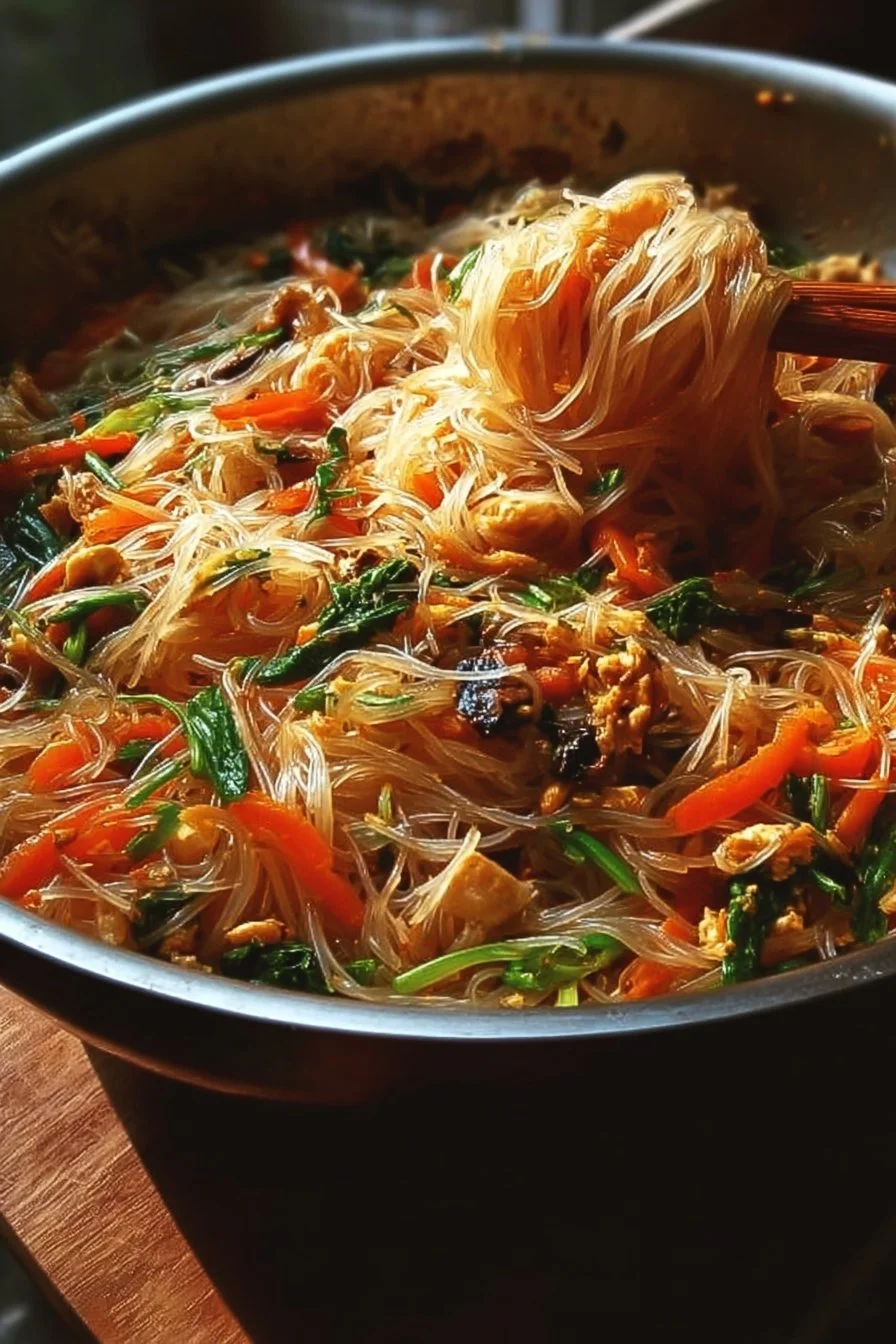
Bright, saucy rice noodles tossed with tender protein and crisp-tender vegetables — this Quick Rice Noodle Stir-Fry hits all the weeknight marks: fast, flavorful, and endlessly adaptable. The noodles soak up a simple soy-forward sauce while garlic and ginger give it that punchy, savory aroma. With just a handful of pantry staples and a hot wok or skillet, you’ll have a balanced meal on the table in under 30 minutes. Serve it with a wedge of lime or a sprinkle of scallions for brightness, and if you enjoy bold stir-fry flavors you might also like my take on crispy chili beef rice for another fast dinner option.
Why You’ll Love This Quick Rice Noodle Stir-Fry
- Fast: From pan to plate in about 20–30 minutes with minimal hands-on time.
- Simple ingredients: Uses everyday pantry items and fresh vegetables that you likely have on hand.
- Versatile protein: Works equally well with chicken, shrimp, or tofu depending on what’s in your fridge.
- Great texture: Soft, slippery noodles contrasted with crisp-tender vegetables make every bite satisfying.
- Kid-friendly: Mild, savory flavors that can be adjusted with a little extra soy or pepper.
- One-pan cleanup: Everything gets finished in a single wok or skillet, so you spend less time washing up.
- Weeknight comfort: Cozy, filling, and perfect for busy evenings that still deserve a home-cooked meal.
- Customizable: Easy to tweak for spice, acidity, or extra veggies without changing the core method.
What Is Quick Rice Noodle Stir-Fry?
Quick Rice Noodle Stir-Fry is a no-fuss Asian-inspired dish where pre-soaked or quickly cooked rice noodles are stir-fried with a protein and mixed vegetables in a simple soy-based sauce. The taste is savory and slightly salty from the soy sauce, rounded out by the warm aromatics of garlic and ginger. The cooking method is high-heat stir-frying in a large pan or wok so ingredients cook quickly and retain texture. People often serve it as a weeknight dinner, a casual lunch, or a make-ahead meal for busy nights. The overall vibe is comforting and practical — imagine a cozy bowl that’s ready fast, with bright flashes of garlic and ginger and a pleasing mix of soft noodles and crisp vegetables. If you like rice-bowl style dinners, you might also enjoy a heartier option like the beef pepper rice bowl as another family-friendly choice.
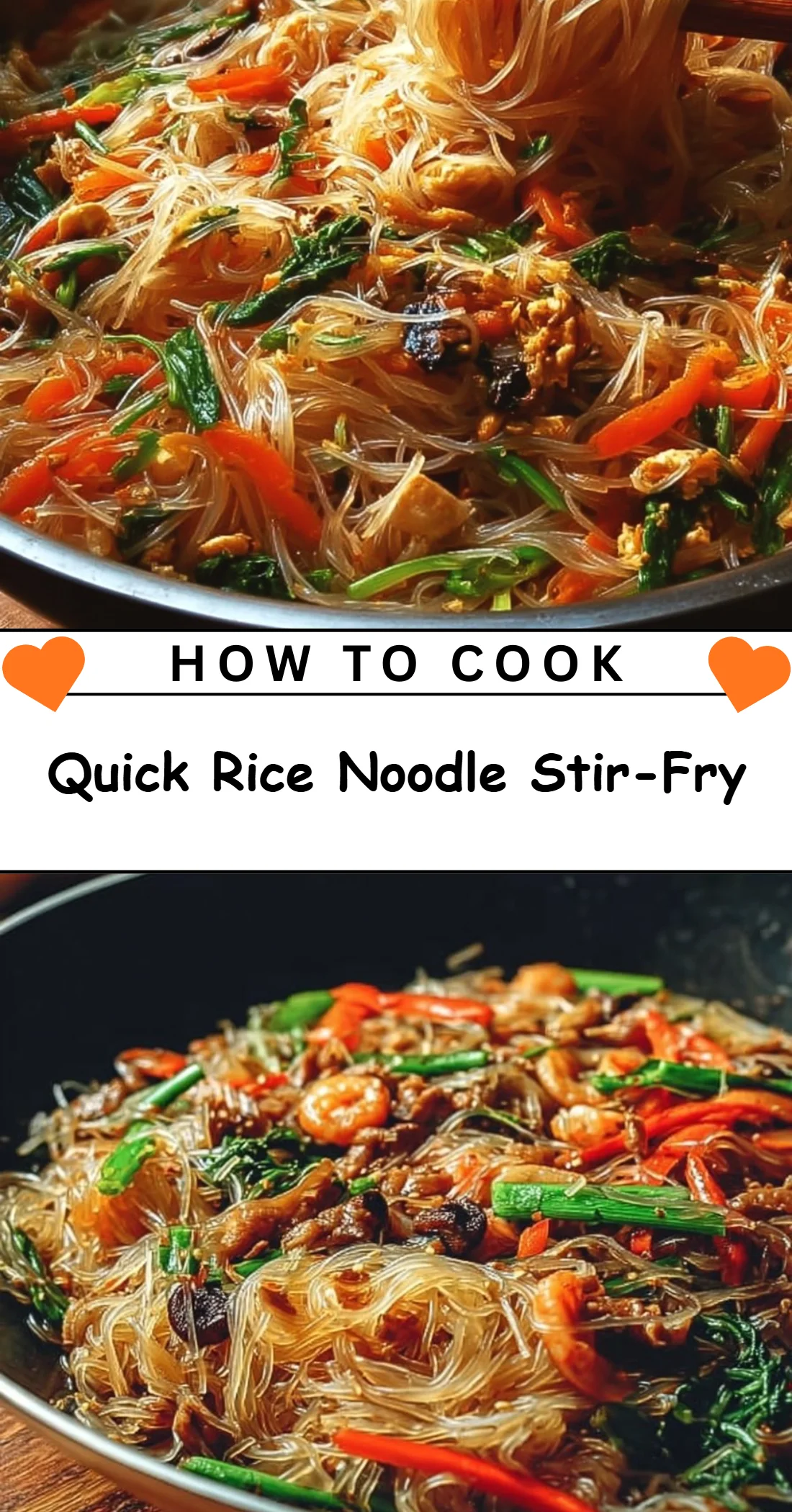
Ingredients for Quick Rice Noodle Stir-Fry
For the Base
- 8 oz rice noodles
- 1 cup protein (chicken, shrimp, or tofu)
- 2 cups mixed vegetables (bell peppers, broccoli, carrots, etc.)
For the Sauce
- 3 tablespoons soy sauce
For Cooking
- 2 tablespoons vegetable oil
- 1 teaspoon garlic, minced
- 1 teaspoon ginger, minced
- Salt and pepper to taste
For Serving (optional additions from the pantry — not required)
- Lime wedges, scallions, or toasted sesame seeds (optional)
Ingredient Notes (Substitutions, Healthy Swaps)
- Rice noodles: If you prefer a different noodle, brown rice or glass noodles can work, but the cooking time will vary. Stick with rice noodles for the authentic texture described here.
- Protein: The recipe calls for 1 cup of your choice — chicken and shrimp will cook quickly; firm tofu is a great vegetarian option. If using tofu, press it first for firmer texture.
- Soy sauce: For a lower-sodium option, use low-sodium soy sauce or a gluten-free tamari if needed.
- Vegetable oil: Any neutral oil with a high smoke point works — canola, grapeseed, or peanut oil (if no allergy) are excellent alternatives.
- Mixed vegetables: Use seasonal vegetables or whatever you have in the fridge. Cut them into similar-sized pieces for even cooking.
- Garlic and ginger: Fresh is best for the bright flavor; if you must, you can use 1/4–1/2 teaspoon each of powdered versions, though the aroma will be less vibrant.
Step-by-Step Instructions
Step 1 – Prepare the Rice Noodles
Cook rice noodles according to package instructions, then drain and set aside.
Visual cue: Noodles should be tender but not falling apart — slightly undercooked is okay since they’ll finish in the pan.
Step 2 – Heat the Pan
In a large pan or wok, heat vegetable oil over medium heat.
Pro cue: Make sure the pan is hot before you add aromatics — it helps release their flavors without burning.
Step 3 – Aromatics First
Add minced garlic and ginger, stir-frying for about 30 seconds until fragrant.
Visual cue: You’ll see tiny bubbles and smell a toasty, bright aroma; do not let garlic brown.
Step 4 – Cook the Protein
Add your choice of protein and cook until no longer pink (if using chicken or shrimp).
Pro cue: If using chicken, cut into small, even pieces so it cooks quickly; shrimp cooks in 2–3 minutes and should be opaque. For tofu, use medium-high heat and let one side brown before stirring.
Step 5 – Add Vegetables
Stir in mixed vegetables and cook until tender.
Visual cue: Vegetables should be bright in color and slightly crisp — avoid overcooking to maintain texture.
Step 6 – Combine Noodles and Sauce
Add the cooked rice noodles to the pan, pour in soy sauce, and mix well to combine.
Pro cue: Toss gently with tongs or a spatula so the noodles don’t break; make sure sauce coats everything evenly.
Step 7 – Season and Finish
Season with salt and pepper to taste.
Visual cue: The dish should look glossy and gently sauced; steam rising and small pools of sauce on the noodles are normal.
Step 8 – Serve
Serve warm and enjoy!
Pro cue: Finish with a squeeze of lime or chopped scallions if using for a lift.
Pro Tips for Success
- Heat control: Keep the pan hot but not smoking. Medium-high heat gives you that quick sear without burning aromatics.
- Texture control: Cook noodles to just shy of done; they’ll finish in the pan and avoid becoming mushy.
- Even pieces: Cut protein and vegetables into similar sizes so everything cooks evenly and simultaneously.
- Season gradually: Add a little salt at the end — soy sauce provides most of the saltiness, so taste before over-salting.
- Don’t overcrowd the pan: If you pack too much in, ingredients steam instead of sear. Work in batches for a large amount.
- Timing: Start noodles first, then the protein, then vegetables — this staggered approach ensures everything is at the right doneness.
- Keep it moving: Stir-frying is all about tossing and stirring — keep ingredients moving to avoid burning and to distribute heat.
Flavor Variations (OPTIONAL)
- Spicy kick (OPTIONAL): Add 1/2–1 teaspoon crushed red pepper flakes or a splash of hot sauce when you add the soy sauce.
- Citrus lift (OPTIONAL): Finish with 1 teaspoon lime juice per serving for brightness.
- Sesame hint (OPTIONAL): Drizzle 1/2 teaspoon toasted sesame oil at the end for a nutty aroma (don’t add it to a hot pan to avoid burning).
- Extra sauce (OPTIONAL): Stir in 1 tablespoon water mixed with 1 teaspoon soy sauce if the noodles seem dry — add gradually.
- Garlic-forward (OPTIONAL): Double the garlic to 2 teaspoons for a more pronounced garlicky flavor.
- Veg-forward (OPTIONAL): Add an extra cup of veggies like snap peas or spinach for more color and nutrients.
Serving Suggestions
- Quick sides: A simple cucumber salad or steamed greens pairs nicely to add freshness.
- Garnish ideas: Top with sliced scallions, a squeeze of lime, or toasted sesame seeds for contrast.
- Meal pairings: Serve with miso soup or a light clear broth for a fuller menu.
- Plating: Pile noodles in a shallow bowl and arrange vegetables and protein on top for a restaurant-style look.
- Occasions: Perfect for busy weeknights, casual dinner with friends, or meal-prep lunches.
- Family-friendly: Let everyone add their own finishings (limes, pepper, scallions) at the table.
Make-Ahead, Storage & Reheating
- Make-ahead prep: Cook rice noodles and chop vegetables ahead of time. Store components separately to keep noodles from absorbing moisture.
- Refrigerator storage: Transfer leftovers to an airtight container and refrigerate for up to 3 days.
- Reheating on stovetop: Reheat gently in a skillet over medium heat with a splash of water or soy sauce to loosen noodles; toss until warmed through.
- Reheating in microwave: Place in a microwave-safe dish, add a tablespoon of water, cover loosely, and heat in 45–60 second intervals, stirring in between.
- Texture changes: Noodles will soften after refrigeration; quick reheating with a splash of liquid helps restore a better mouthfeel.
Storage and Freezing Instructions
- Freezing: Rice noodles and stir-fried dishes do not freeze well; freezing often makes rice noodles gummy and changes texture.
- Alternative: If you plan to freeze, freeze just the cooked protein and vegetables separately (without noodles) and thaw before reheating. Reheat and toss with freshly cooked or reheated noodles for best texture.
- Refrigerator timeline: Best eaten within 3 days for quality and safety.
Nutrition Facts (Per Serving)
| Calories | Protein | Carbs | Fat | Fiber | Sodium |
|———|——–|——|—–|——|——-|
| 490 kcal | 28 g | 61 g | 12 g | 3 g | 900 mg |
Nutrition values are estimates and may vary depending on ingredients and portion sizes.
FAQ About Quick Rice Noodle Stir-Fry
- How do I stop rice noodles from sticking together?
- Rinse them under cold water after cooking and toss with a tiny bit of oil if storing briefly; cook them to just tender and finish in the pan immediately.
- My noodles turned mushy — what went wrong?
- Likely overcooked in the boiling step or left to sit in hot liquid. Next time undercook slightly and finish in the stir-fry.
- Can I use frozen vegetables?
- Yes. If using frozen, add them a bit earlier and allow extra time to thaw and release moisture, then cook off excess liquid.
- How can I check if the protein is fully cooked?
- Chicken should be opaque with no pink bits and reach an internal temperature of 165°F (74°C). Shrimp should be opaque and slightly firm.
- What’s the best way to reheat leftovers?
- Stovetop reheating with a splash of water or soy sauce gives the best texture; microwave can be used for convenience.
- Can I reduce the sodium?
- Use low-sodium soy sauce or reduce the amount slightly and add a squeeze of lime to brighten flavor instead of extra salt.
Notes
- Presentation tip: Twirl a nest of noodles with tongs when plating for a neat, restaurant-style presentation.
- Small upgrade: Stir a teaspoon of the soy sauce into a tablespoon of water before adding to the pan to distribute it more evenly.
- Seasoning adjustment: Taste before adding extra salt — soy sauce supplies most of the saltiness.
- Leftover idea: Turn leftovers into a noodle salad by chilling and tossing with a little extra soy sauce and lime.
- Texture reminder: Keep vegetables brightly colored and slightly crisp for contrast with softer noodles.
- Protein swap tip: If using tofu, press it beforehand and pan-fry until golden on both sides for the best texture.
Quick Rice Noodle Stir-Fry
Bright, saucy rice noodles tossed with protein and crisp-tender vegetables, ready in under 30 minutes.
- Prep Time: 10 minutes
- Cook Time: 20 minutes
- Total Time: 30 minutes
- Yield: 4 servings
- Category: Main Course
- Method: Stir-Frying
- Cuisine: Asian
- Diet: Vegetarian
Ingredients
- 8 oz rice noodles
- 1 cup protein (chicken, shrimp, or tofu)
- 2 cups mixed vegetables (bell peppers, broccoli, carrots, etc.)
- 3 tablespoons soy sauce
- 2 tablespoons vegetable oil
- 1 teaspoon garlic, minced
- 1 teaspoon ginger, minced
- Salt and pepper to taste
- Lime wedges, scallions, or toasted sesame seeds (optional)
Instructions
- Prepare the rice noodles: Cook according to package instructions, drain and set aside.
- Heat the pan: In a large pan or wok, heat vegetable oil over medium heat.
- Add garlic and ginger, stir-frying for about 30 seconds until fragrant.
- Cook the protein until no longer pink.
- Add mixed vegetables and cook until tender.
- Combine cooked rice noodles and soy sauce, mixing well.
- Season with salt and pepper to taste.
- Serve warm and enjoy!
Notes
For extra flavor, finish with a squeeze of lime or chopped scallions. Make sure not to overcrowd the pan when cooking.