
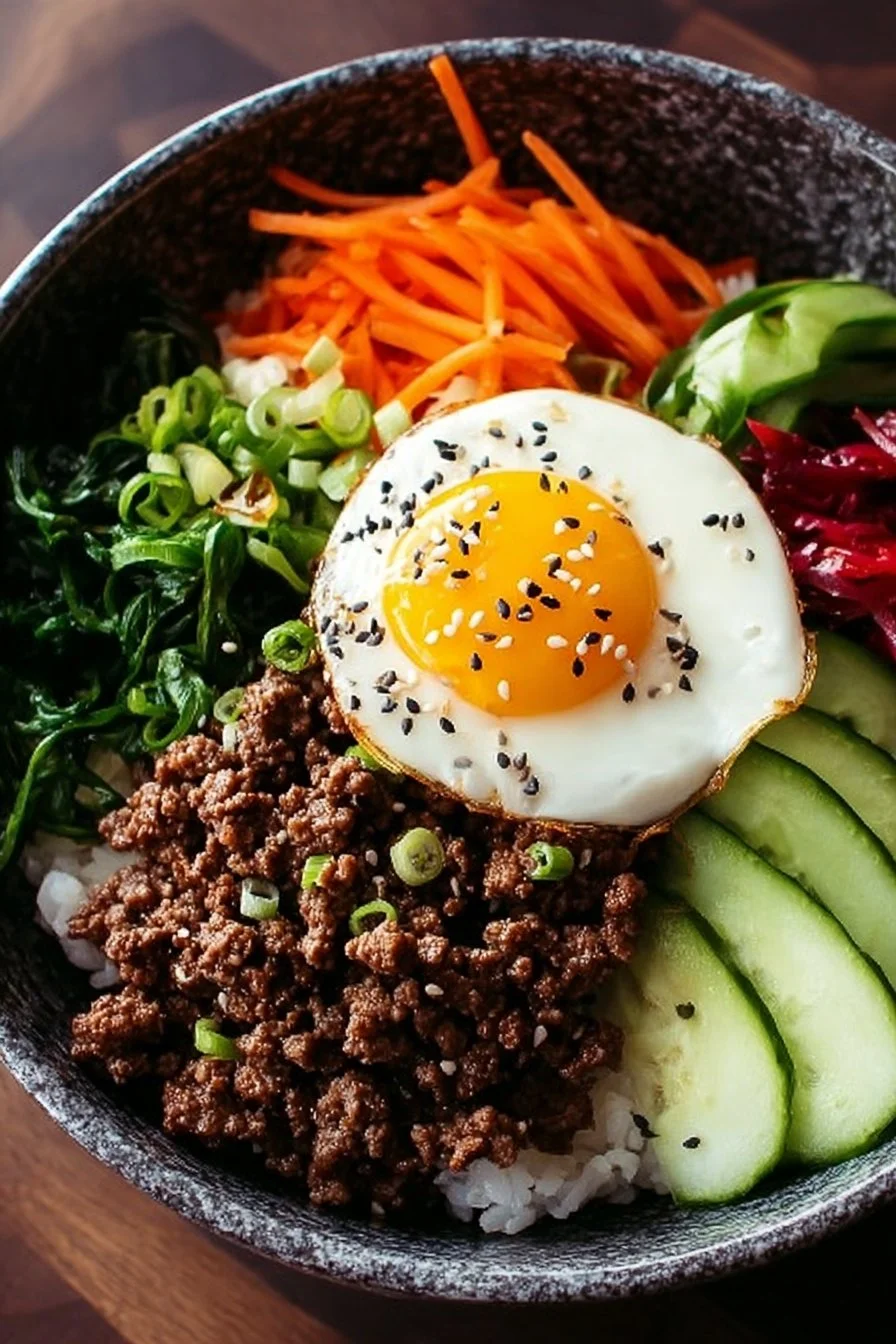
This Korean Ground Beef Bowl is a perfect weeknight dinner — sweet, savory, and just a touch nutty from sesame oil, with tender crumbles of beef that soak up a glossy, slightly sticky sauce. The texture is comforting: caramelized beef bits contrasted with bright, fresh green onions and a bed of pillowy rice. It’s quick to make, pantry-friendly, and truly hits that craveable comfort-food spot when you want dinner fast. Serve it with steamed rice and a sprinkle of extra green onions or sesame seeds for a one-bowl meal everyone will ask for again. If you love bold sweet-savory bowls, you might also enjoy a similar ground beef hot honey bowl that plays with the same balance of sweet and savory. Leftovers reheat beautifully, making this a practical, delicious staple.
Why You’ll Love This Korean Ground Beef Bowl
- Big, satisfying flavor from a handful of simple ingredients — salty soy sauce, brown sugar sweetness, and fragrant sesame oil.
- Ready in about 20 minutes, perfect for busy weeknights or last-minute meals.
- Requires only one skillet and a bowl of rice — minimal cleanup and fuss.
- Flexible and family-friendly; kids love the sweet-savory mix while adults appreciate the depth.
- Uses pantry staples and an affordable pound of ground beef for great value.
- Makes great leftovers for lunches or quick dinners later in the week.
- Easy to customize with optional toppings or add-ins without changing the core recipe.
What Is Korean Ground Beef Bowl?
This dish is a simple, skillet-cooked ground beef recipe dressed in a lightly sweet and savory sauce and served over rice. The flavor profile leans toward caramelized soy and brown sugar notes with aromatic garlic, warming ginger, and toasted sesame oil rounding it out. Cooking is straightforward: brown the ground beef, add aromatics, stir in the sauce ingredients, finish with green onions, and spoon it over cooked rice. People often serve bowls like this as a quick weeknight dinner, a meal-prep option, or a cozy solo supper. The overall vibe is comfort food — unfussy, deeply satisfying, and built around bold, balanced flavors. If you want another take in the same flavor family, check out this tasty ground beef hot honey bowl for inspiration.
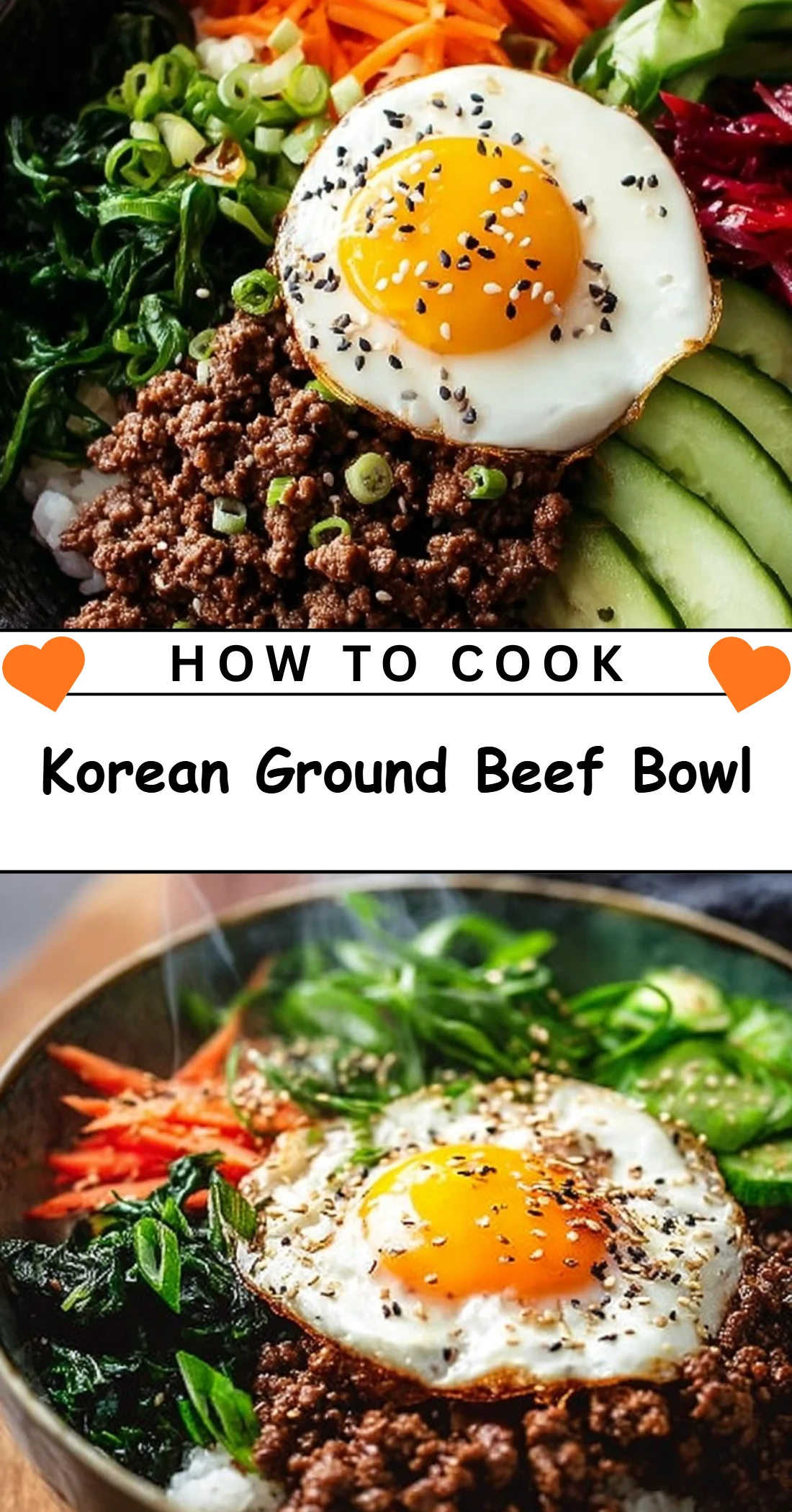
Ingredients for Korean Ground Beef Bowl
For the Base
- 1 pound ground beef
For the Sauce
- 3 tablespoons soy sauce
- 2 tablespoons brown sugar
- 2 cloves garlic, minced
- 1 teaspoon ginger, minced
- 2 teaspoons sesame oil
For Serving
- 1 cup chopped green onions
- Salt and pepper to taste
- Cooked rice for serving
Ingredient Notes (Substitutions, Healthy Swaps)
- Ground beef swaps: For a leaner version, use 90/10 ground beef or ground turkey. Keep in mind leaner meats have less fat and may be slightly drier, so watch the browning to avoid overcooking.
- Soy sauce options: Use low-sodium soy sauce or tamari (gluten-free) if you need a gluten-free or lower-sodium choice. Tamari gives nearly the same flavor with less wheat.
- Brown sugar substitute: If you prefer a less sweet sauce, reduce to 1 tablespoon brown sugar or swap for coconut sugar for a slightly different caramel note.
- Sesame oil: Toasted sesame oil is a small but important flavor — use it as written. If you need to avoid sesame, omit it and add a tiny drizzle of neutral oil for mouthfeel, but expect a change in aroma.
- Ginger and garlic: Fresh is best here for aromatic punch. If you only have ground ginger or garlic powder, use sparingly as they are more concentrated.
- Rice options: Serve over white rice, brown rice, or cauliflower rice for a lower-carb plate. Adjust portion sizes as needed.
Step-by-Step Instructions
Step 1 – Brown the Beef
- Heat a large skillet over medium heat and add the ground beef.
- Cook, breaking it up with a spoon, until browned and no longer pink.
Visual cue: The beef should be nicely browned with small caramelized bits forming on the pan surface.
Pro cue: Use a large enough skillet so the beef isn’t crowded — bite-sized pieces brown better than steam.
Step 2 – Drain Excess Fat
- Carefully drain off any excess fat from the skillet.
Visual cue: The pan will look less oily but still have some cooking fond (browned bits) left.
Pro cue: Leave a thin coating of fat to carry flavor; remove only the excess to keep the sauce from becoming greasy.
Step 3 – Add Garlic and Ginger
- Stir in the minced garlic and minced ginger and cook for 1–2 minutes until fragrant.
Visual cue: Aromas should lift from the skillet and the garlic will begin to sizzle gently.
Pro cue: Don’t let the garlic brown too much; it can turn bitter if overcooked. Keep the heat at medium.
Step 4 – Stir in Soy Sauce, Brown Sugar, and Sesame Oil
- Add the soy sauce, brown sugar, and sesame oil to the skillet and mix well so the beef is evenly coated.
Visual cue: The sauce should become glossy and slightly thick as it coats the meat.
Pro cue: Scrape up any browned bits from the pan as you stir — they add deep flavor.
Step 5 – Simmer Briefly
- Cook for an additional 5 minutes, stirring occasionally, to let flavors meld and the sauce reduce slightly.
Visual cue: The liquid will reduce and cling to the beef, creating small pockets of caramelization.
Pro cue: If the skillet gets too dry, a splash of water or a little more soy sauce will help loosen the sauce briefly — but avoid thinning it too much.
Step 6 – Finish and Serve
- Add the chopped green onions and season with salt and pepper to taste. Serve the beef mixture over cooked rice.
Visual cue: Bright green onion ribbons on top will add color and freshness against the glossy beef.
Pro cue: Taste before adding salt — soy sauce contributes a lot of sodium, so you may only need a pinch of extra salt or none at all.
Pro Tips for Success
- Use medium heat for predictable browning; high heat can over-brown the garlic and burn the sauce.
- Break the beef into small pieces as it cooks to maximize surface area for browning and flavor absorption.
- Drain excess fat carefully — leaving a little helps flavor while removing too much keeps the dish from tasting greasy.
- Adjust brown sugar to taste if you prefer less sweetness; small changes make a big flavor difference.
- Add green onions at the end to keep them bright and crunchy; cooking them longer will soften and mute their fresh flavor.
- If your mixture seems dry after draining fat, add a teaspoon of water at a time to loosen the sauce as it simmers.
- For evenly seasoned rice, fluff with a fork and spoon rice into bowls before adding the beef on top to prevent the sauce from soaking in too quickly.
- Let leftovers cool before storing to maintain texture and prevent excess moisture in the container.
Flavor Variations (Optional)
- Optional — Spicy Kick: Stir in 1 tablespoon gochujang or 1/2–1 teaspoon red pepper flakes when adding the soy sauce for a spicy, savory heat.
- Optional — Extra Veggies: Fold in quick-cooking vegetables like thinly sliced bell pepper or shredded carrot during the final 2–3 minutes for color and crunch.
- Optional — Citrus Brightness: Finish with a squeeze of fresh lime or lemon juice (½ teaspoon) just before serving for a bright lift.
- Optional — Sesame Crunch: Top with toasted sesame seeds or a handful of chopped toasted peanuts for textural contrast.
- Optional — Lower-carb bowl: Serve over cauliflower rice or a bed of leafy greens for a lighter meal.
- Optional — Herb-forward: Add fresh cilantro or basil at the end for a different aromatic profile.
Serving Suggestions
- Classic — Serve over hot steamed white or brown rice with extra green onions on top.
- Fresh side — A simple cucumber salad or quick-pickled cucumbers pairs well to cut the richness.
- Vegetables — Serve alongside steamed broccoli, sautéed bok choy, or roasted green beans for fiber and color.
- Meal prep — Pack in meal containers with rice and a wedge of lime for easy lunches.
- Family night — Offer bowls with toppings like extra green onions, sesame seeds, and chili flakes so everyone can customize.
- Casual dinner — Plate in shallow bowls and allow guests to add their own toppings for a relaxed, build-your-own-meal vibe.
Make-Ahead, Storage & Reheating
- Make-ahead: The beef mixture can be fully cooked and refrigerated up to 3 days before serving. Store the rice separately if possible to keep textures ideal.
- Refrigerator storage time: Keep in an airtight container for up to 3–4 days.
- Reheating on the stove: Rewarm gently in a skillet over medium-low heat with a splash of water to loosen the sauce; cover briefly to heat through.
- Reheating in the microwave: Place beef in a microwave-safe dish, add a teaspoon of water, cover loosely, and microwave in 30–45 second intervals, stirring between, until hot.
- Texture changes: Rice can firm up in the fridge; add a little water and reheat covered to steam it back to softness.
Storage and Freezing Instructions
- Freezing: The cooked beef mixture freezes well. Cool completely, then portion into freezer-safe containers or bags and freeze for up to 2–3 months.
- Thawing: Thaw overnight in the refrigerator before reheating. Reheat gently on the stove with a splash of water to bring back sauciness.
- Rice freezing: Cooked rice can be frozen, but texture may be slightly drier upon thawing. Freeze rice in flat portions for easy reheating.
- If freezing isn’t ideal: If you prefer the freshest texture, freeze just the beef mixture and keep rice fresh; this helps rice maintain a better texture after reheating.
Nutrition Facts (Per Serving)
| Calories | Protein | Carbs | Fat | Fiber | Sodium |
|———|——–|——|—–|——|——-|
| 540 kcal | 22 g | 51 g | 25 g | 1 g | 750 mg |
Nutrition values are estimates and may vary depending on ingredients and portion sizes.
FAQ About Korean Ground Beef Bowl
Q: My beef turned out dry — what happened?
A: Likely overcooked or used very lean meat. Use medium heat, don’t overcook, and leave a little fat in the pan or add a splash of water when reheating.
Q: Can I use ground turkey or chicken instead of beef?
A: Yes — you can swap in ground turkey or chicken, but be aware they’re leaner and will cook faster; follow the same steps but watch for dryness.
Q: The sauce tastes too salty — how do I fix it?
A: Reduce or omit added salt; soy sauce is salty. You can balance with a touch more brown sugar or serve with more rice which will mellow the saltiness.
Q: How long will leftovers last in the fridge?
A: Store in an airtight container for 3–4 days.
Q: Can I make this gluten-free?
A: Yes — use tamari or a certified gluten-free soy sauce to keep the flavor intact.
Q: Best way to reheat without drying out the beef?
A: Reheat on the stove over medium-low with a splash of water or cover to trap steam, or use the microwave in short bursts, stirring in between.
Notes
- For prettier plating, place the rice in a bowl first, then spoon the beef over in a shallow mound and finish with a bright scattering of green onions.
- Try a final drizzle of sesame oil (very small amount) just before serving for extra aroma.
- If you like a deeper caramel flavor, let the sauce reduce a little longer, watching carefully so it doesn’t burn.
- Taste the beef before adding extra salt — the soy sauce may provide enough saltiness on its own.
- To create a restaurant-style bowl, add a soft-cooked egg on top and let the yolk mingle with the sauce.
Korean Ground Beef Bowl

A quick and easy Korean Ground Beef Bowl featuring sweet and savory flavors, perfect for a satisfying weeknight dinner.
- Prep Time: 10 minutes
- Cook Time: 10 minutes
- Total Time: 20 minutes
- Yield: 4 servings
- Category: Main Course
- Method: Skillet
- Cuisine: Korean
- Diet: Paleo
Ingredients
- 1 pound ground beef
- 3 tablespoons soy sauce
- 2 tablespoons brown sugar
- 2 cloves garlic, minced
- 1 teaspoon ginger, minced
- 2 teaspoons sesame oil
- 1 cup chopped green onions
- Salt and pepper to taste
- Cooked rice for serving
Instructions
- Heat a large skillet over medium heat and add the ground beef. Cook, breaking it up with a spoon, until browned and no longer pink.
- Carefully drain off any excess fat from the skillet.
- Stir in the minced garlic and minced ginger and cook for 1–2 minutes until fragrant.
- Add the soy sauce, brown sugar, and sesame oil to the skillet and mix well so the beef is evenly coated.
- Cook for an additional 5 minutes, stirring occasionally, to let flavors meld and the sauce reduce slightly.
- Add the chopped green onions and season with salt and pepper to taste. Serve the beef mixture over cooked rice.
Notes
For a spicy kick, stir in 1 tablespoon gochujang or red pepper flakes. You can also customize with vegetables or toppings like sesame seeds.