
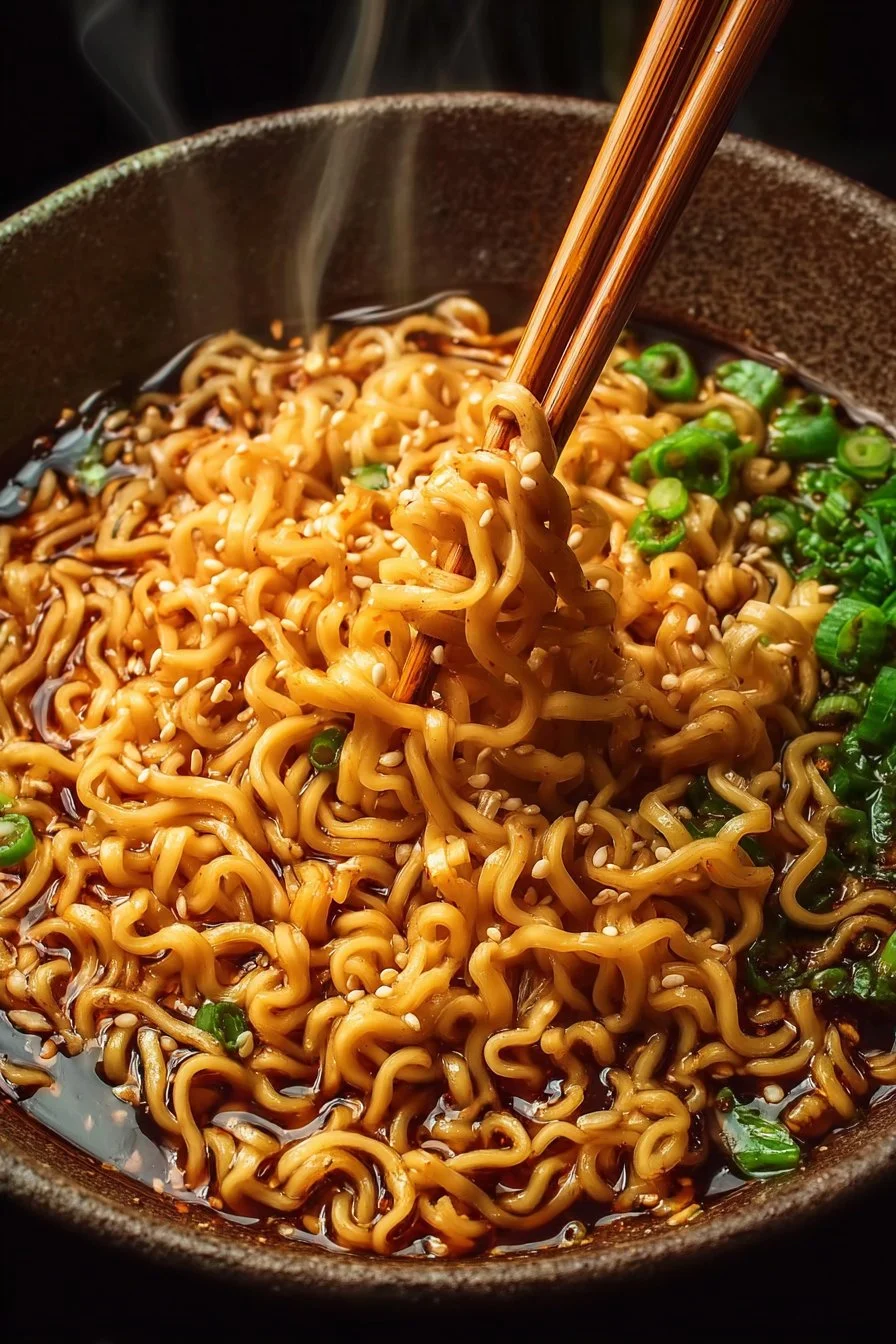
There’s something deeply satisfying about a bowl of Savory Saucy Ramen Noodles — glossy, tender noodles tangled with savory sauce, tender bites of plant-based protein, and crunchy vegetables that brighten every forkful. The sauce clings to each strand, delivering a balance of salty soy, toasty sesame, and warm garlic-ginger aroma. It’s quick enough for weeknights, but rich and comforting enough to savor on a rainy evening. Toss in bright green onions and a pinch of chili flakes and you have instant takeout-level comfort from one skillet. If you enjoy cheesy riffs on saucy noodles, you might also like cheesy ramen noodles for another simple noodle twist. Serve it in a wide bowl with chopsticks or a fork and a scattering of green onions for immediate gratification.
Why You’ll Love This Savory Saucy Ramen Noodles
- Deep, comforting flavors from soy, garlic, and ginger that feel like a warm hug.
- Fast to make: most of the work is one-skillet cooking after the noodles are done.
- Flexible protein options — tofu, seitan, or chickpeas work beautifully.
- Vegetable-packed: easily adapt to whatever you have in the fridge.
- Saucy texture coats the noodles so every bite is flavorful, not dry.
- Minimal equipment: a pot for noodles and one large skillet is all you need.
- Great for meal prep — flavors hold up well for next-day lunches.
- Kid-friendly (leave out chili flakes) and easily made bolder for adults.
What Is Savory Saucy Ramen Noodles?
Savory Saucy Ramen Noodles are a quick, skillet-style noodle dish that combines cooked ramen noodles with a savory broth-based sauce, plant-based protein, aromatics, and vegetables. The dish tastes savory and slightly sweet from the soy-forward sauce, aromatic from garlic and ginger, and toasty from sesame oil, with a pleasant textural contrast between silky noodles and crisp-tender veggies. Cooking method: quick stovetop sautéing and simmering — nothing fussy, just layering flavors in a hot pan. People typically serve it as a weeknight main, a cozy solo dinner, or an easy lunch that packs well. The vibe is relaxed comfort food with a modern plant-based twist — familiar ramen textures, but saucier and stir-fry-inspired.
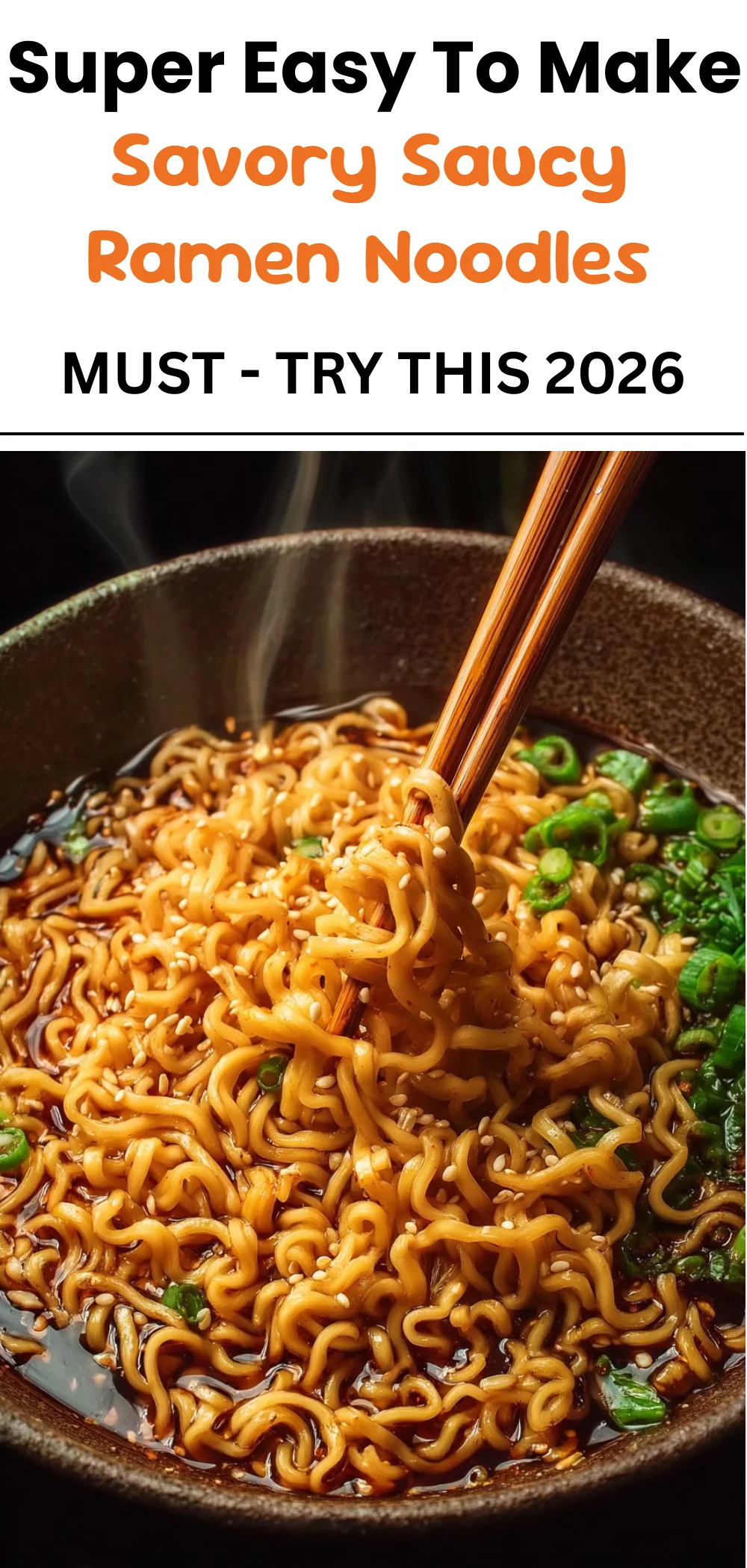
Ingredients for Savory Saucy Ramen Noodles
For the Base
- Ramen noodles
For the Protein & Veg
- Plant-based protein (e.g., tofu, seitan, chickpeas)
- Vegetables (e.g., bell peppers, carrots, spinach)
- Green onions, sliced
For the Sauce & Aromatics
- Vegetable broth
- Soy sauce
- Garlic, minced
- Ginger, minced
- Sesame oil
- Chili flakes (optional)
Ingredient Notes (Substitutions, Healthy Swaps)
- Gluten-free: Use gluten-free ramen noodles and tamari in place of soy sauce. Tamari preserves the deep soy flavor without gluten.
- Lower-sodium: Choose a low-sodium soy sauce and a low-sodium vegetable broth to cut added salt. Taste before serving and adjust gradually.
- Protein swaps: Tofu gives a soft, silky texture; seitan adds a meatier chew; chickpeas keep it budget-friendly and hearty. All three are listed in the base ingredient choices.
- Oil swap: If you don’t have sesame oil, a neutral oil (canola or avocado) works for sautéing; add a small extra splash of toasted sesame oil to get that nutty finish if possible.
- Lighter option: Increase the proportion of vegetables and reduce oil for a lighter bowl without losing flavor.
- Make it gluten- and soy-free by using coconut aminos instead of soy sauce and a certified gluten-free noodle.
Step-by-Step Instructions
Step 1 – Cook the noodles
Cook ramen noodles according to package instructions. Drain and set aside.
Visual cue: Noodles should be tender but not mushy — slightly springy. If the package recommends rinsing, do so briefly under warm water to remove any excess starch.
Step 2 – Sauté aromatics
In a large skillet, heat sesame oil over medium heat. Add garlic and ginger, sautéing until fragrant.
Visual cue: Garlic and ginger will smell bright and aromatic and begin to bubble lightly without browning.
Pro cue: Keep the heat moderate; burning garlic will introduce bitterness. Stir constantly for even cooking.
Step 3 – Brown the protein
Add your choice of plant-based protein and cook until browned.
Visual cue: Tofu edges will crisp a bit; seitan will develop a deeper color; chickpeas will have a slightly toasted skin.
Pro cue: For tofu, press briefly beforehand if possible to reduce water and improve browning. Don’t overcrowd the pan — brown in batches if needed.
Step 4 – Build the sauce and cook the vegetables
Pour in vegetable broth and soy sauce, bringing to a simmer. Add in your chosen vegetables and cook until tender.
Visual cue: The liquid should reduce slightly and start to shimmer; vegetables should be bright, not limp.
Pro cue: Add sturdier vegetables first (carrots, bell peppers) and delicate greens (spinach) last so everything finishes at the same time.
Step 5 – Combine noodles and sauce
Stir in the cooked ramen noodles, mixing to combine everything evenly. Let the noodles heat through and absorb some sauce.
Visual cue: Noodles will look glossy and coated; sauce should cling to strands rather than pool at the bottom.
Pro cue: Use tongs or a wide spatula to toss gently so you don’t break the noodles.
Step 6 – Finish and serve
If desired, sprinkle with chili flakes and garnish with green onions before serving.
Visual cue: A scattering of green onions adds fresh color; chili flakes add visual heat.
Pro cue: Taste once more for seasoning — a splash more soy will deepen the savor, a tiny drizzle of sesame oil at the end brightens the finish.
Pro Tips for Success
- Heat control: Start medium heat and reduce if aromatics brown too quickly. Even cooking yields the best flavor.
- Texture control: Cook noodles just to al dente. Overcooked noodles go limp when tossed in sauce.
- Seasoning balance: Soy sauce brings saltiness; if using low-sodium broth, you may need a touch more soy. Add cautiously and taste.
- Browning matters: Browning the protein provides depth of flavor — take the extra minute to get color.
- Veg timing: Chop vegetables uniformly so everything cooks evenly. Add delicate greens at the last minute.
- Avoid sogginess: Don’t let the noodles sit in a pool of sauce off the heat for too long; they’ll absorb liquid and soften further.
- Quick crisp: For extra texture, sauté a small handful of sliced green onions or bell pepper quickly at high heat and reserve to sprinkle on top.
- One-pan cleanup: Use a wide skillet with high sides to prevent splatter and make tossing easier.
Flavor Variations (OPTIONAL)
- Optional: Spicy Kick — Add extra chili flakes or a drizzle of chili oil at the end for heat.
- Optional: Citrus Brightness — Stir in a small squeeze of lime juice right before serving to lift the flavors.
- Optional: Nutty Peanut Twist — Mix a spoonful of peanut butter into the sauce for a rich, satay-like flavor (use only if no allergies).
- Optional: Sweet & Savory — Add a small splash of a sweetener (maple syrup or brown sugar) for a glossy, slightly sweet sauce.
- Optional: Ginger-Forward — Increase minced ginger for a zingier profile if you love bright aromatics.
- Optional: Extra Crunch — Top with toasted sesame seeds or chopped roasted peanuts for texture.
Serving Suggestions
- Pair with simple steamed edamame or a quick cucumber salad for a bright contrast.
- Plate in a shallow bowl to show off the glossy noodles and garnishes; sprinkle sliced green onions across the top.
- Serve as a weeknight solo dinner or double the recipe for casual family-style bowls.
- For a soupier presentation, add more vegetable broth and loosen into a saucy soup — for inspiration, compare styles like easy spicy chicken soup ramen.
- Offer condiments at the table: extra soy sauce, chili flakes, or sesame oil so guests can adjust to taste.
- Occasion pairing: Comforting enough for a cozy night in, yet quick enough for busy weeknights.
Make-Ahead, Storage & Reheating
- Make-ahead: Cook components separately — brown the protein and chop vegetables ahead of time. Store in airtight containers. Cook noodles just before finishing for best texture.
- Refrigerator storage: Store finished ramen in an airtight container for up to 3–4 days. Because noodles continue to absorb sauce, they’ll soften over time.
- Reheating stovetop: Reheat gently in a skillet over medium-low with a splash of vegetable broth to loosen the sauce, tossing until warmed through.
- Reheating microwave: Place in a microwave-safe bowl with a tablespoon or two of broth, cover loosely, and heat in 30–45 second bursts, stirring between until hot.
- Texture changes: Expect noodles to soften on storage; refreshing with a bit of broth and a quick re-sauté helps restore some bite.
Storage and Freezing Instructions
- Freezing: Freezing the finished dish is not recommended because ramen noodles become mushy upon freezing and thawing. The texture of cooked noodles degrades.
- Alternative: Freeze components separately (e.g., cooked plant-based protein and sauce) in freezer-safe containers. Thaw and toss with freshly cooked noodles when ready to eat.
- Refrigerator timeline: Store cooled leftovers in the fridge for 3–4 days. Label containers with date for freshness.
Nutrition Facts (Per Serving)
| Calories | Protein | Carbs | Fat | Fiber | Sodium |
|———|——–|——|—–|——|——-|
| 520 kcal | 18 g | 62 g | 15 g | 6 g | 1050 mg |
Nutrition values are estimates and may vary depending on ingredients and portion sizes.
FAQ About Savory Saucy Ramen Noodles
Q: My noodles turned soggy — what went wrong?
A: Likely overcooked or left sitting in sauce too long. Cook noodles to al dente and toss with sauce right before serving. Reheat with a splash of broth to refresh.Q: Can I omit the sesame oil?
A: Yes. Use a neutral oil for sautéing and, if possible, add a small finishing splash of sesame oil for flavor. It’s optional but recommended.Q: How do I know when the protein is done?
A: Tofu should be evenly warmed and slightly golden on edges; seitan should be browned; chickpeas should be heated through and slightly toasted on the surface.Q: Will this work with frozen vegetables?
A: Yes, but add them slightly earlier and cook until heated through; frozen veggies release more water so adjust simmer time and reduce liquid if needed.Q: Can I scale this recipe up for meal prep?
A: Yes. Cook noodles separately and store sauce/protein mixture in the fridge. Combine and reheat with freshly cooked noodles or loosen with broth when serving.Q: How do I reduce sodium without losing flavor?
A: Use low-sodium soy sauce and low-sodium vegetable broth, increase fresh aromatics (ginger, garlic), and finish with a squeeze of lime or splash of toasted sesame oil to add perception of depth.
Notes
- Plating idea: Use a wide shallow bowl to show off the glossy sauce and garnishes — scatter green onions and chili flakes just before serving for visual appeal.
- Small flavor upgrade: Finish with a tiny drizzle of sesame oil right before serving to amplify aroma.
- Seasoning adjustment: Taste the sauce before adding noodles; you may prefer slightly more soy sauce or broth depending on your base broth’s saltiness.
- Presentation tip: Cut vegetables into varied shapes (matchsticks for carrots, thin strips for bell pepper) to create texture and color contrast.
- Leftover hack: If the noodles are overly soft the next day, quickly sauté them in a hot pan with a splash of oil to revive some texture before tossing with warmed sauce.
Savory Saucy Ramen Noodles
Quick and comforting skillet-style ramen noodles with a savory sauce, plant-based protein, and vibrant vegetables.
- Prep Time: 15 minutes
- Cook Time: 15 minutes
- Total Time: 30 minutes
- Yield: 4 servings
- Category: Main Course
- Method: Stovetop
- Cuisine: Asian
- Diet: Vegan
Ingredients
- Ramen noodles
- Plant-based protein (e.g., tofu, seitan, chickpeas)
- Vegetables (e.g., bell peppers, carrots, spinach)
- Green onions, sliced
- Vegetable broth
- Soy sauce
- Garlic, minced
- Ginger, minced
- Sesame oil
- Chili flakes (optional)
Instructions
- Cook the ramen noodles according to package instructions. Drain and set aside.
- In a large skillet, heat sesame oil over medium heat. Add garlic and ginger, sautéing until fragrant.
- Add your choice of plant-based protein and cook until browned.
- Pour in vegetable broth and soy sauce, bringing to a simmer. Add in your chosen vegetables and cook until tender.
- Stir in the cooked ramen noodles, mixing to combine everything evenly. Let the noodles heat through and absorb some sauce.
- If desired, sprinkle with chili flakes and garnish with green onions before serving.
Notes
Adjust the recipe for gluten-free by using gluten-free ramen and tamari. For lower sodium, use low-sodium soy sauce and broth.